

 HOME
HOME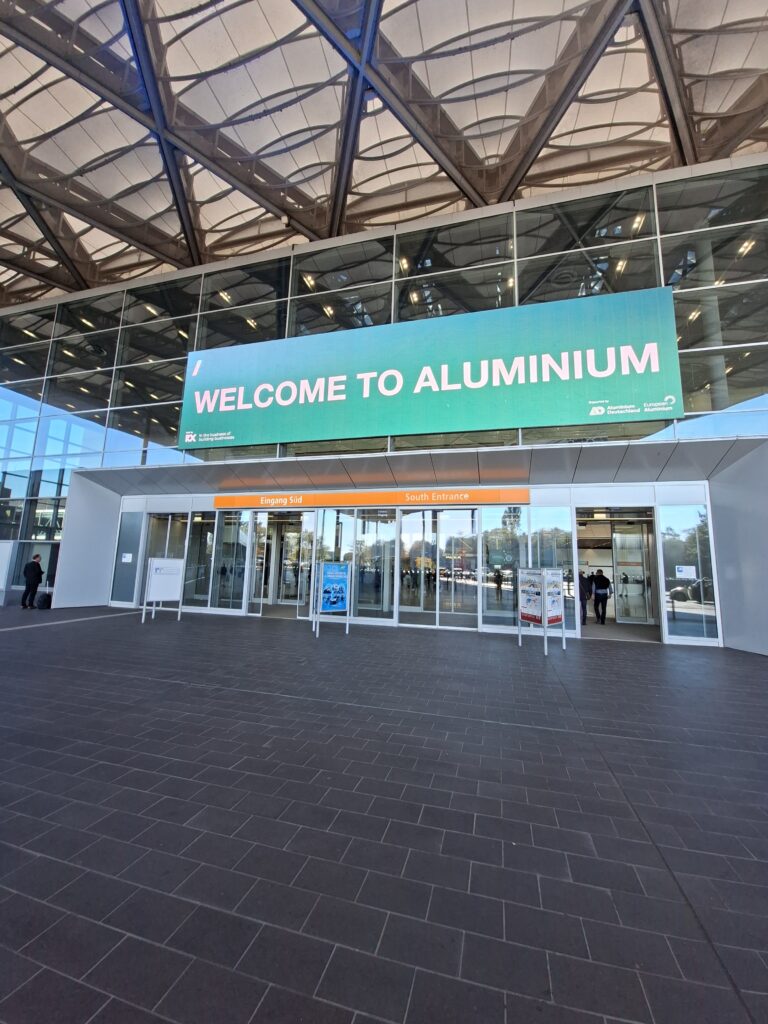
From October 6 to 8, 2026, ALUMINIUM World Trade Fair 2026 took place in Düsseldorf, Germany, bringing together businesses and experts from the international aluminium industry. With 801 registered exhibitors and more than 20,000 trade visitors expected, the event continued to reinforce its position as one of the key meeting points for the global aluminium industry. Mr. Trung Nguyen, Board Member of VMRF, represented the Forum throughout the three-day exhibition, holding numerous face-to-face meetings and discussions with international businesses, partners, and industry experts to gain updated market insights, strengthen existing partnerships, and gather valuable information to assess market prospects for the fourth quarter of 2026.
Europe’s Secondary Aluminium Market Continues to Face Significant Pressure
One of the key issues discussed at ALUMINIUM 2026 was the challenging situation facing Europe’s secondary aluminium market. Demand for secondary aluminium alloys remains weak, while demand for deoxidizing aluminium (Deox) in the European steelmaking industry has deteriorated significantly. These developments are placing considerable pressure on the sales volumes and selling prices of certain secondary aluminium grades.
In contrast to the secondary aluminium segment, the primary aluminium market is receiving support from supply difficulties in the Middle East. Geopolitical instability, together with transportation risks through the Strait of Hormuz, continues to influence supply conditions and support primary aluminium prices.
The divergence in market developments between these two segments is creating significant challenges for industry participants. While primary aluminium prices are supported by supply concerns, weak demand for secondary aluminium may continue to put pressure on sales, profit margins, and the competitiveness of recycling businesses. This highlights the importance of assessing the aluminium market by individual segments rather than relying solely on the overall price trend of aluminium.
New EU Scrap Export Regulations from 2027 Raise Uncertainty
Alongside market developments, the European Union’s (EU) new regulations concerning scrap exports to countries outside the Organisation for Economic Co-operation and Development (OECD) were another widely discussed topic at the exhibition.
According to the issues discussed, the new regulations are scheduled to take effect in May 2027. However, decisions regarding the list of countries permitted to import scrap have yet to be finalized, creating uncertainty for European recycling companies and their international trading partners.
In particular, Asian markets with long-standing trade relationships with Europe, including Vietnam, India, Malaysia, and Thailand, face growing questions about whether they will be able to continue importing scrap from the EU in the coming years. Changes to these policies could affect raw material procurement plans, production operations, and supply chain strategies for businesses in the markets concerned.
Given the important role of international scrap trade in supporting the global recycling industry, clarifying the scope of the regulations, implementation requirements, and list of eligible importing countries will be essential for businesses. Policy transparency and predictability are necessary to help companies adjust their business plans, mitigate risks, and maintain stability across recycled raw material supply chains.
VMRF Calls on the EU to Reconsider Planned Scrap Export Restrictions
In response to these developments, the Vietnam Metal Recycling Forum (VMRF) calls on European Union policymakers to reconsider the planned scrap export restrictions while conducting a comprehensive assessment of economic realities and the processing capacity of the European recycling industry.
VMRF reaffirms its support for efforts to strengthen environmental protection standards and promote a sustainable and responsible circular economy. However, policymaking and implementation must also take into account the actual processing capacity of the region’s recycling industry. At present, Europe does not have sufficient economically viable capacity to process every type and grade of scrap generated within the region.
As a result, international markets continue to play an essential role in maintaining the stability of the recycling industry. Restricting exports without first establishing suitable alternative solutions within Europe could have significant consequences for material flows, scrap prices, and the ability of many recycling businesses to remain operational.
In VMRF’s view, the difficulties currently facing Europe’s plastics recycling industry serve as an important warning. Declining competitiveness, high operating costs, and weak market demand have contributed to the closure of numerous plastics recycling plants in recent years. These developments demonstrate that environmental objectives, if not accompanied by appropriate market conditions and long-term economic viability, may place additional pressure on businesses’ production activities and investment decisions.
VMRF believes that Europe’s metal recycling industry should draw the necessary lessons from these experiences to avoid a similar scenario. An effective circular economy requires not only stringent environmental standards but also open, fair, and economically sustainable markets. Ensuring market access, maintaining the flow of raw materials, and creating favorable conditions for business development are essential to advancing recycling and improving resource efficiency.
On this basis, VMRF hopes that the European Commission, European recycling associations, and international trading partners will strengthen constructive dialogue to develop practical solutions that balance environmental protection objectives with the development needs of the recycling industry. Such an approach would help minimize unnecessary disruptions to supply chains while enabling businesses to continue investing, improving their processing capabilities, and participating more actively in the global circular economy.
VMRF Strengthens International Connections and Cooperation
Following the conclusion of three days at ALUMINIUM 2026 in Düsseldorf, the Vietnam Metal Recycling Forum extends its sincere appreciation to all members, friends, and partners who took the time to meet, exchange views, and share valuable information during the exhibition.
VMRF looks forward to maintaining these discussions, strengthening international cooperation, and promoting connections between Vietnam’s recycling business community and partners around the world. Through market intelligence, knowledge sharing, and policy dialogue, the Forum aims to contribute positively to the sustainable development of the metal recycling industry while promoting balanced and effective cooperation among markets across global supply chains.
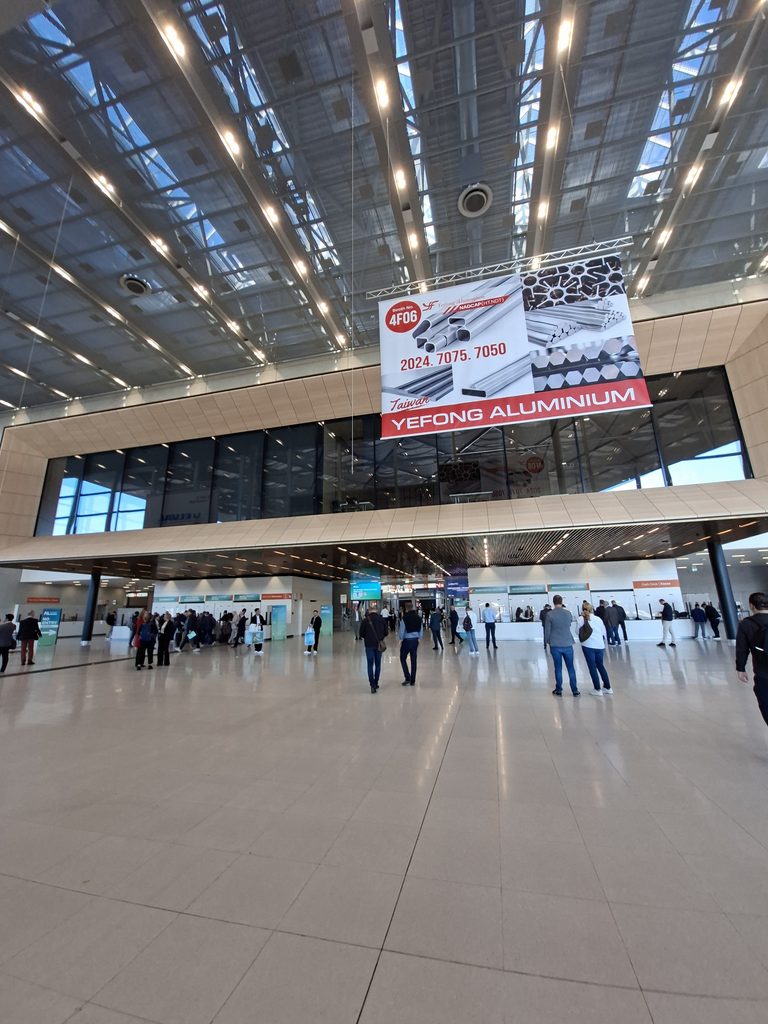
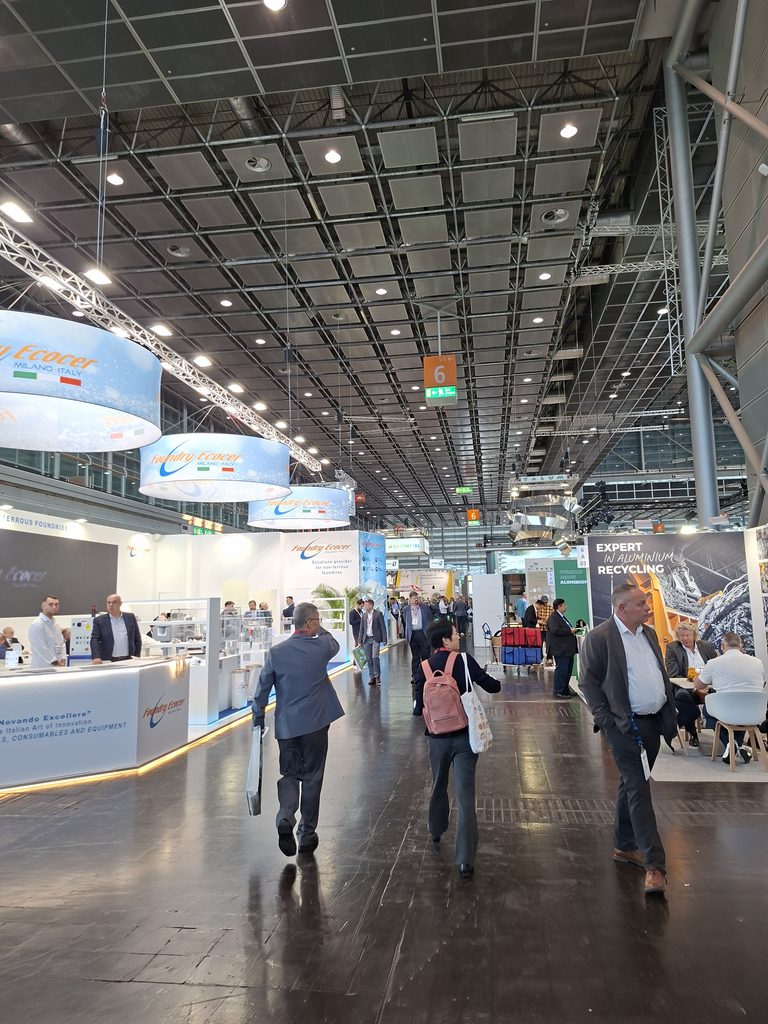
Some other photos from the event.
According to: VMRF Representative – Mr. Trung Nguyễn, Board Member.
Related Posts
VMRF – Market & Policy Bulletin: Non-Ferrous Metals, Steel Scrap and EU Supply Risks
LME Aluminum Prices Fall: Market Shifts from Supply Shortage Concerns to Expectations of Supply Recovery
WSR Update: Vietnam has not yet been recommended by the EC for approval regarding recycled metals.
VMRF – Circulate Capital: ESG from Compliance Requirements to Management Capability
VMRF and Kitakyushu City Explore Cooperation Opportunities in Recycling and Environmental Technology
Low River Levels in Borneo Expose New Weaknesses in Asia’s Energy Supply Chain