

 HOME
HOME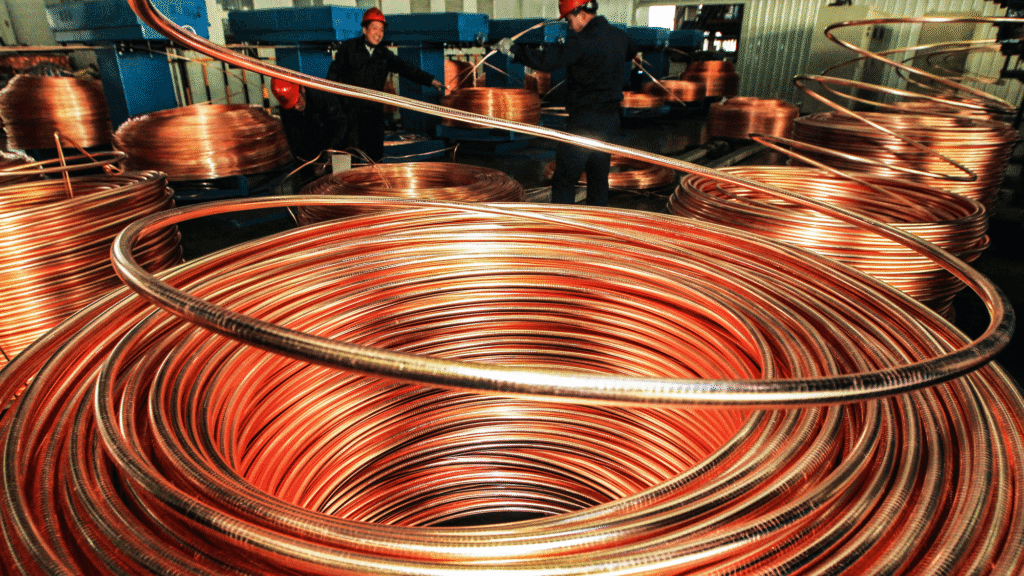
Production at secondary copper processing plants worldwide, particularly in China, is facing significant challenges due to policy uncertainties. Specifically, rumors about tightening preferential tax treatments and investment attraction policies have led many businesses, especially in China’s Jiangxi province, to temporarily suspend production and adopt a “wait-and-see” strategy.
However, while some factories resumed operations in September to fulfill backlogged orders, the general sentiment within the industry remains highly cautious. Until new policies are clarified, most companies are hesitant to increase their production capacity.
Developments and Impacts on Key Markets
These policy changes are not confined to a single region but are creating ripple effects globally. Although detailed information about direct production shutdowns in North American, European, or other Asian factories due to similar policies as in China is not widely publicized, the indirect impacts of these macroeconomic policy factors are clearly visible.
Asia: Beyond China, other major economies like Japan and South Korea are also grappling with declining manufacturing output due to slowing global export demand. Tariff policies, especially from the U.S., are hitting factories hard across the region. However, some countries like Vietnam are benefiting by becoming a “new production link” and an attractive destination for foreign investors looking to shift their supply chains.
North America: New U.S. tariff and trade policies are causing disruptions in the automotive supply chain throughout North America. Many factories have had to halt production or lay off workers due to rising costs and policy uncertainty. This demonstrates how unilateral trade policies can have unforeseen consequences, disrupting established value chains.
Europe: The European Union’s (EU) “green” and sustainability policies are imposing stricter requirements on imported goods, including copper-related products. While this hasn’t led to widespread production shutdowns, these regulations are forcing businesses to adapt, impacting costs and supply chains. Additionally, differences in monetary policy between the European Central Bank (ECB) and the U.S. Federal Reserve (Fed) can also affect exchange rates and alter investment flows.
A Perspective from Vietnam
From Vietnam’s perspective, these developments present both opportunities and challenges.
Opportunities:
- Supply Chain Diversification: Vietnam can leverage its political stability and increasingly favorable investment environment to attract investors, particularly in the supporting industries sector.
- Deeper Participation in the Value Chain: Vietnam can solidify its position as a “new production link” in Asia, attracting foreign direct investment (FDI) projects that utilize advanced technology and participate in global smart supply chains.
Challenges:
- Dependence on Export Markets: The slowdown in manufacturing in major economies due to policy changes could reduce import demand, posing difficulties for Vietnamese exporters.
- Adapting to New Standards: Vietnamese businesses must quickly adapt to the increasingly stringent “green” and sustainability standards of major markets like the EU to maintain their competitiveness.
Policy disruptions are creating a “domino effect” on the copper supply chain and related industries globally. In this context, the temporary suspension of production at factories in China is just one of the most visible signs of this instability. Businesses and governments worldwide, including Vietnam, need to develop appropriate strategies to navigate this volatile global economic landscape.
Source collected from internet.
Related Posts
LME Aluminum Prices Fall: Market Shifts from Supply Shortage Concerns to Expectations of Supply Recovery
WSR Update: Vietnam has not yet been recommended by the EC for approval regarding recycled metals.
VMRF – Circulate Capital: ESG from Compliance Requirements to Management Capability
VMRF and Kitakyushu City Explore Cooperation Opportunities in Recycling and Environmental Technology
Low River Levels in Borneo Expose New Weaknesses in Asia’s Energy Supply Chain
Green and Circular Projects May Receive 2% Interest Rate Support