

 HOME
HOME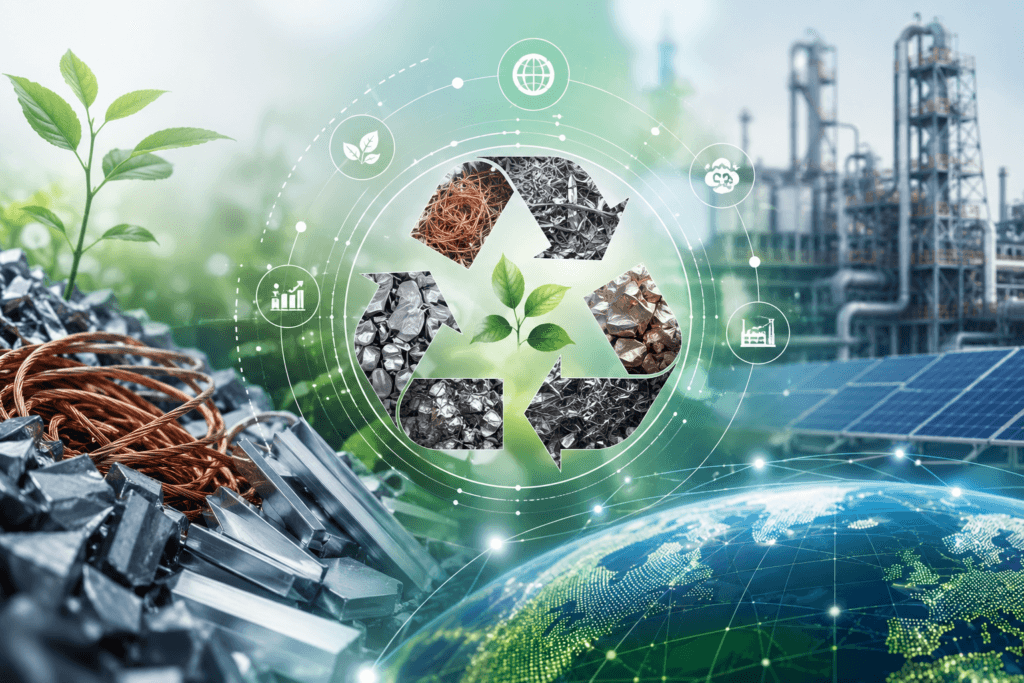
VMRF News | Policy – Environment – Circular Economy
Vietnam’s Ministry of Agriculture and Environment is currently seeking public comments on the Draft Law amending and supplementing several articles of the Law on Environmental Protection. The proposed amendments introduce a series of significant reforms aimed at promoting green growth, advancing the circular economy, and streamlining administrative procedures for businesses.
Although the draft does not contain a dedicated chapter for the metal recycling industry, many of its proposed provisions are expected to have a direct impact on companies engaged in the collection, processing, import, and trading of metal scrap.
A Shift in Regulatory Thinking: Waste Recognized as a Valuable Resource
One of the most notable aspects of the draft is its transition from the traditional concept of “waste management” to treating waste as a valuable resource. This marks an important policy shift that provides a stronger legal foundation for the development of environmental industries and the circular economy.
For the metal recycling sector, this represents a highly positive signal. The draft reinforces the role of secondary raw materials within the national economy, encourages investment in advanced recycling technologies, enhances the value of domestic scrap resources, and helps reduce dependence on virgin material extraction.
This approach is consistent with policies already adopted by many developed economies to strengthen raw material security while reducing carbon emissions.
Circular Economy to Remain a Long-Term Development Strategy
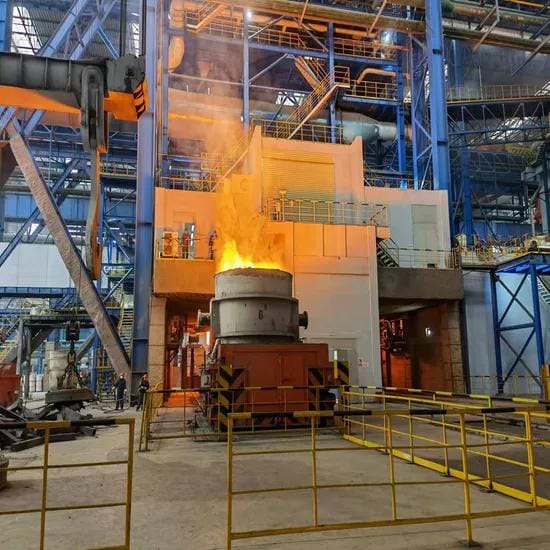
The draft further refines mechanisms designed to promote resource efficiency, reuse, recycling, and circular production models. These measures are expected to create favorable conditions for the continued expansion of Vietnam’s metal recycling industry.
Companies involved in steel scrap, copper scrap, aluminum scrap, stainless steel, lead, zinc, and other non-ferrous metals are likely to benefit from these policy changes. As international markets increasingly emphasize sustainability, businesses that invest in modern technologies, strong environmental governance, and efficient management systems will be better positioned to integrate into global supply chains.
Administrative Reform: Less Pre-Approval, Greater Post-Inspection
Another key reform proposed in the draft is the transition from a pre-approval model toward a post-inspection approach. By reducing unnecessary administrative procedures, the government aims to shorten project implementation timelines, lower compliance costs, and facilitate investment in recycling projects.
At the same time, businesses will be expected to assume greater responsibility for environmental compliance. Companies will need to establish transparent environmental management systems, maintain accurate operational records, and proactively monitor compliance in preparation for post-inspection requirements.
Digital Transformation to Enhance Supply Chain Transparency

The draft also envisions the development of an integrated, transparent, and publicly accessible environmental data ecosystem to support both government management and business operations.
For the metal recycling industry, digitalization will improve traceability of raw materials, increase transparency across supply chains, and help businesses meet the growing ESG and sustainability requirements of international customers. Digital environmental management is expected to become a critical factor in strengthening the global competitiveness of Vietnamese recycling enterprises.
Expanded Legal Framework for the Carbon Market
Another major focus of the draft is the continued development of regulations governing greenhouse gas inventories, emissions data management, carbon credit trading, and the operation of Vietnam’s carbon market.
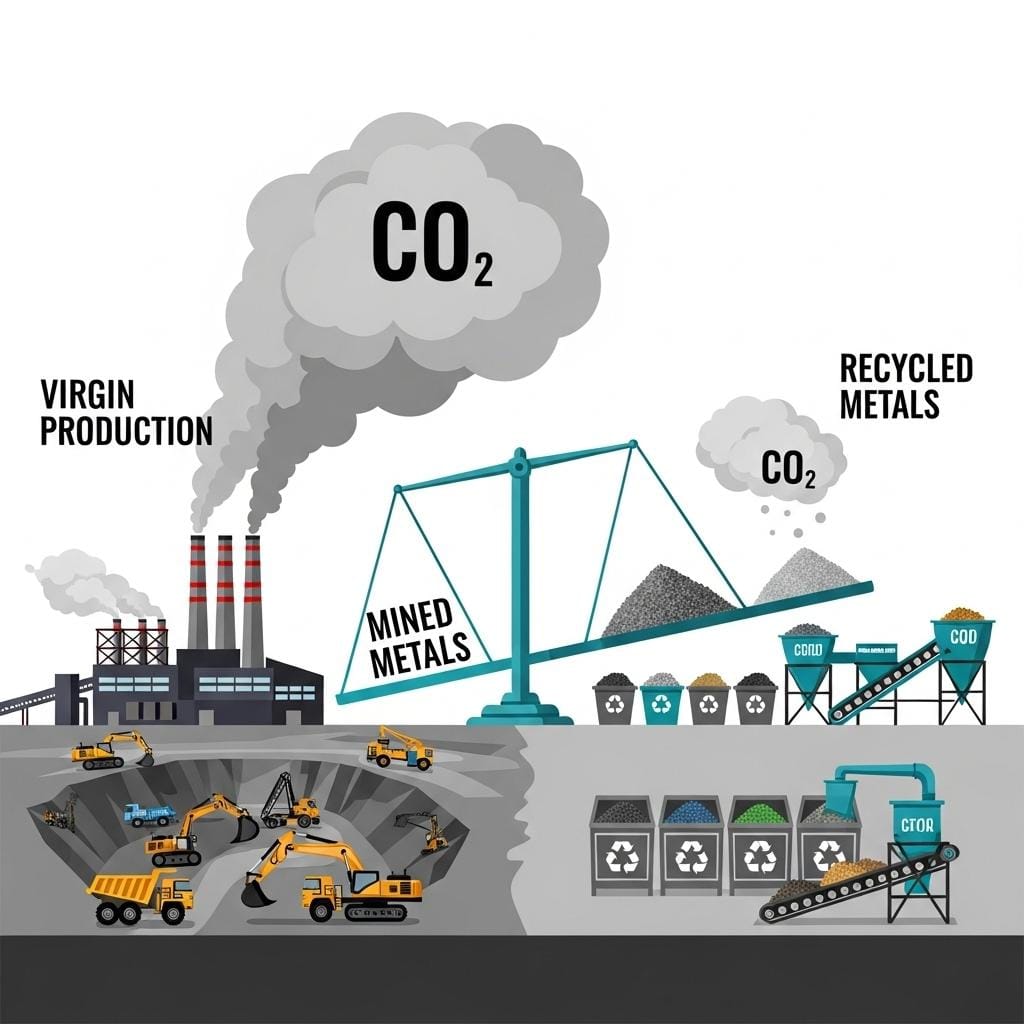
These developments are particularly significant for the metal recycling industry. Recycling metals requires substantially less energy and generates considerably lower greenhouse gas emissions than producing metals from virgin ores. Aluminum recycling, for example, can reduce energy consumption by up to 95 percent, while recycling steel and copper also delivers significant reductions in CO₂ emissions.
As carbon markets mature and ESG standards become increasingly important in international trade, companies with transparent emissions data and robust environmental governance will enjoy stronger competitive advantages and broader market access.
VMRF’s Perspective
As a platform connecting businesses across Vietnam’s metal recycling industry, VMRF believes that the proposed amendments to the Law on Environmental Protection send encouraging signals for the sector’s future development.
The draft reflects several important policy directions, including recognizing waste as a valuable resource, reinforcing the circular economy as a national development strategy, simplifying administrative procedures while strengthening post-compliance oversight, accelerating digital transformation, and expanding carbon market mechanisms. Together, these reforms are expected to reshape the operating environment and enhance the competitiveness of recycling enterprises.
With environmental standards and sustainability requirements becoming increasingly important across global markets, now is an ideal time for recycling companies to strengthen corporate governance, invest in advanced technologies, establish comprehensive environmental data management systems, and develop long-term sustainable business strategies. Early adaptation to the forthcoming regulatory framework will not only ensure compliance within Vietnam but also create new opportunities to participate more deeply in international supply chains.
VMRF will continue to closely monitor the legislative process and provide timely updates on new regulations affecting the collection, recycling, import, and trading of metal scrap, helping businesses proactively adapt and capitalize on opportunities arising from Vietnam’s transition toward a circular economy.
References:
- Government Portal of Vietnam – Draft Law on Amendments and Supplements to a Number of Articles of the Law on Environmental Protection (Full Text)
- Department of Environment – Workshop on Collecting Feedback for the Draft Law Amending the Law on Environmental Protection
And Collected from the Internet.
Related Posts
LME Aluminum Prices Fall: Market Shifts from Supply Shortage Concerns to Expectations of Supply Recovery
WSR Update: Vietnam has not yet been recommended by the EC for approval regarding recycled metals.
VMRF – Circulate Capital: ESG from Compliance Requirements to Management Capability
VMRF and Kitakyushu City Explore Cooperation Opportunities in Recycling and Environmental Technology
Low River Levels in Borneo Expose New Weaknesses in Asia’s Energy Supply Chain
Green and Circular Projects May Receive 2% Interest Rate Support