

 HOME
HOME
In recent weeks, as the gold and silver markets experienced intense turbulence driven by large scale position liquidations, a pressing question quickly emerged among commodity investors: are industrial metals entering a similar phase of heavy selling. Market developments suggest a more nuanced picture. Copper, aluminum, nickel, and zinc have all weakened alongside the correction in precious metals, yet the scale of the declines, the underlying drivers, and the structure of capital flows reveal meaningful differences.
Recent price data show that most industrial metals have edged lower following a deterioration in global risk sentiment across financial markets. International copper prices, after reaching historic highs late last month on expectations of manufacturing recovery and green infrastructure investment, have retreated. Aluminum and nickel have followed, although their pullbacks remain far more modest than the dramatic collapses seen in silver. This contrast highlights an important reality: industrial metals are influenced by both financial factors and tangible physical demand, whereas silver carries a much heavier speculative and financial component.
A Downward Move Transmitted from Finance to Commodities


The current correction has its roots in a shift in sentiment across global financial markets. When investors reduce their appetite for risk amid currency volatility and policy uncertainty, they often trim positions across multiple asset classes at once. Industrial metals, which had attracted significant speculative inflows during the earlier rally, therefore faced pressure from profit taking and deleveraging.
Market reports indicate that the same speculative capital that helped propel copper prices to elevated levels began pulling back as upward momentum faded. This adjustment does not appear to stem from an abrupt collapse in physical copper demand. Instead, it largely reflects activity in derivatives markets. As leveraged funds and traders reduce risk exposure, they sell futures contracts, pushing prices lower more quickly than any immediate change in supply and demand fundamentals would justify.
Unlike gold and silver, where cascading stop losses created extremely sharp declines in a short span, industrial metals have displayed a more orderly correction rather than outright panic. This reflects deeper market liquidity and the strong presence of industrial participants who trade primarily for hedging purposes rather than speculative gain.
The Role of Speculation and Structural Market Differences
A defining feature of the previous rally was the strong participation of financial capital in industrial metals, especially copper. Expectations tied to energy transition, electric vehicles, and power grid expansion built a compelling long term growth narrative. Commodity funds, hedge funds, and individual investors all increased long positions, leaving the market more sensitive to shifts in sentiment.
When short term expectations shifted and the U.S. dollar strengthened, these leveraged positions became vulnerable. Deleveraging followed, but trading data suggest this has largely been a scaling back of exposure rather than a wholesale exit. Trading volumes and open interest on major exchanges remain substantial, indicating that institutional investors have not abandoned industrial metals but have instead recalibrated their risk levels.
A key difference from silver lies in market structure. Silver’s smaller market size and heavier speculative concentration make it more prone to violent price swings when liquidation occurs. Copper and aluminum, in contrast, involve a broader ecosystem of participants including producers, manufacturers, and long term financial institutions. As a result, while price volatility is evident, markets have not descended into disorder.
What Large Funds Are Actually Doing
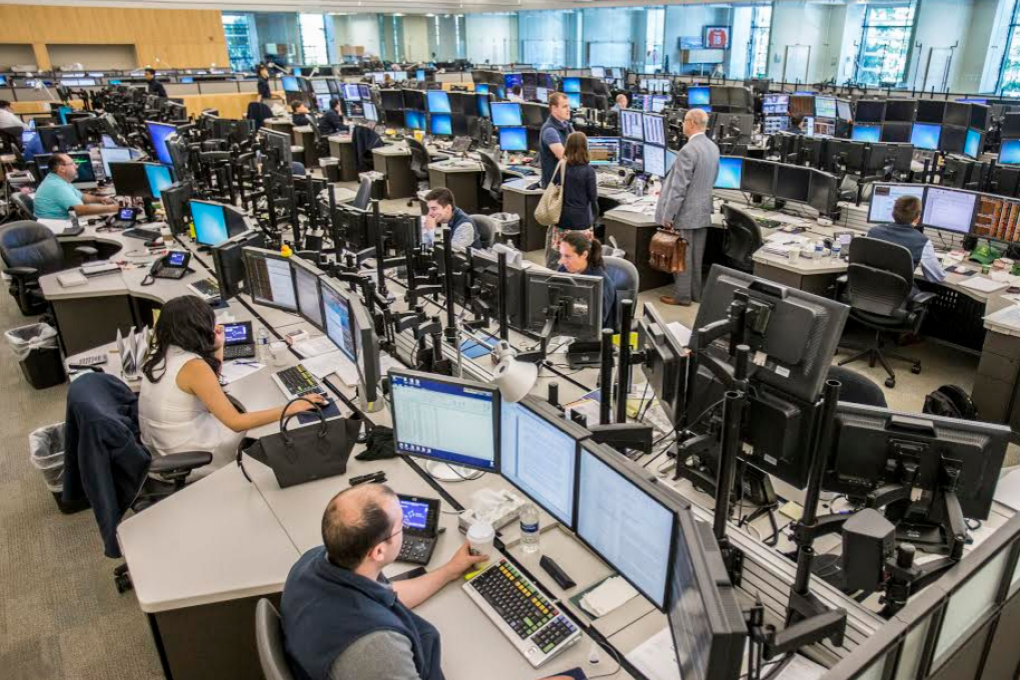


A central concern among market observers is whether major investment funds are aggressively dumping industrial metals. Flow data suggest the answer is not a simple yes or no. While some funds have reduced overall commodity exposure as part of broader risk management, there is no clear evidence of a synchronized and widespread liquidation across the entire base metals complex.
Capital flows into metal related exchange traded funds have been mixed. Some funds focused on gold and gold mining equities have attracted inflows amid renewed demand for safe haven assets. Meanwhile, funds tied to industrial metals and diversified mining equities have experienced periods of outflows, but also sessions of renewed buying as long term investors view price weakness as an opportunity to accumulate.
This pattern reflects the flexible approach taken by institutional investors. Rather than exiting the metals space entirely, they are reshaping portfolios by trimming highly speculative exposure while maintaining positions linked to long term themes such as energy transition and infrastructure development.
Physical Supply and Demand Remain a Core Anchor
One reason industrial metals have not collapsed as sharply as silver is that physical demand remains relatively stable. Although global manufacturing shows signs of slowing in certain regions, major consuming sectors such as electricity, renewable energy, electric vehicles, and infrastructure construction continue to generate substantial metal demand.
Inventories on major exchanges have not surged dramatically enough to signal a supply glut capable of triggering a deep price crash. This reinforces the view that recent volatility is primarily financial rather than the result of a sudden deterioration in real world supply and demand balances. Once speculative pressures ease, markets often return to pricing based on medium and long term consumption trends.
The Stronger Dollar and Monetary Policy Pressures
The recent strengthening of the U.S. dollar has added further pressure to industrial metals prices. When the dollar rises, commodities priced in that currency become more expensive for buyers using other currencies. This can dampen import demand in the short term and encourage financial investors to scale back commodity exposure.
However, currency driven effects tend to be cyclical. If global growth prospects improve or monetary policy shifts toward a more accommodative stance in the future, the dollar’s upward pressure could ease, creating room for metals prices to stabilize or recover.
A Technical Correction or the Start of a Longer Downtrend
Investors now face the critical question of whether the current downturn represents a technical correction after an overheated rally or the beginning of a more prolonged decline. Based on available data, many analysts lean toward the correction scenario. Prices had risen rapidly, speculative positioning had expanded, and a period of consolidation was needed to restore balance. The present pullback is helping unwind excess leverage and return the market to more sustainable footing.
This does not mean risks have vanished. A sharp deterioration in global economic growth or a major financial shock could exert genuine pressure on industrial metals demand. Under such circumstances, prices could enter a deeper bear phase. For now, however, evidence does not point to a collapse in physical demand severe enough to justify a long lasting downturn.
Perspectives for Investors and Businesses
For financial investors, the current environment calls for greater caution. Volatility remains elevated due to speculative flows and macroeconomic uncertainty. Using high leverage in such conditions carries significant risk. A more balanced asset allocation that blends defensive and growth exposures may help reduce portfolio shocks.
For industrial consumers, recent price weakness may offer opportunities to hedge or secure supplies at more favorable levels, provided inventory risks are carefully managed. Metal producers, on the other hand, may face tighter margins in the short term, although long term prospects tied to electrification and energy transition continue to offer structural support.
Industrial metals markets are undergoing a notable correction
Industrial metals markets are undergoing a notable correction as the earlier wave of selling in gold and silver shakes investor confidence across commodities. Yet the nature of this decline is fundamentally different. It reflects profit taking, deleveraging, and financial flow adjustments more than a collapse in global physical demand.
As volatility subsides, underlying drivers such as infrastructure investment, energy transition, and industrial growth are likely to reassert their influence. The current pullback may therefore be better understood as a necessary rebalancing phase rather than the end of the industrial metals growth cycle.
Related Posts
LME Aluminum Prices Fall: Market Shifts from Supply Shortage Concerns to Expectations of Supply Recovery
WSR Update: Vietnam has not yet been recommended by the EC for approval regarding recycled metals.
VMRF – Circulate Capital: ESG from Compliance Requirements to Management Capability
VMRF and Kitakyushu City Explore Cooperation Opportunities in Recycling and Environmental Technology
Low River Levels in Borneo Expose New Weaknesses in Asia’s Energy Supply Chain
Green and Circular Projects May Receive 2% Interest Rate Support