

 HOME
HOME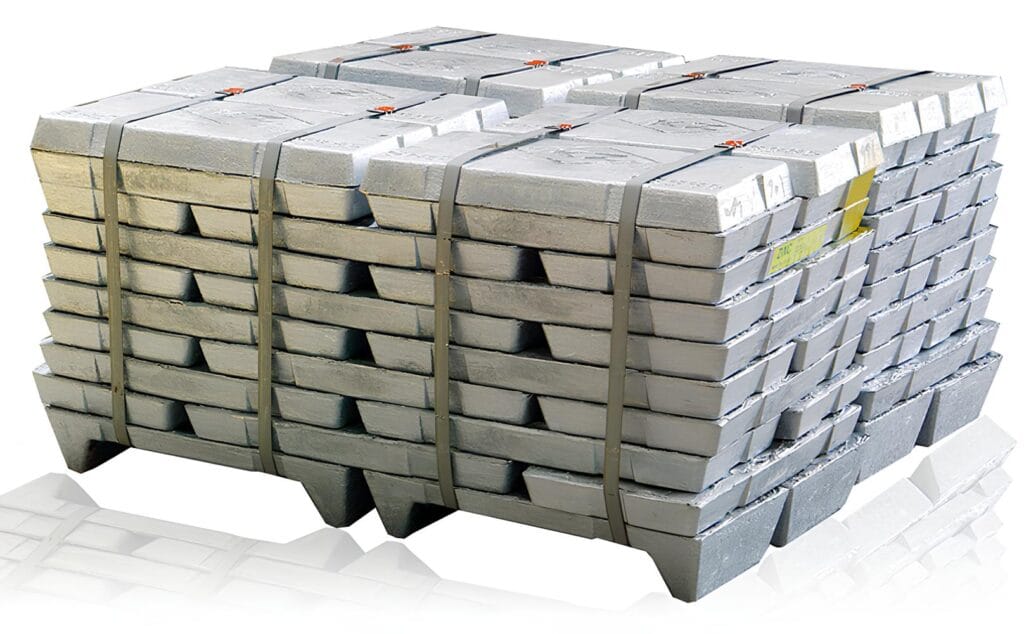
Based on the latest market data from the London Metal Exchange (LME) and global analysis sources such as Trading Economics, Reuters, Investing News Network, and reports from the Shanghai Metal Market, zinc prices rose by approximately 0.45% during the trading session on November 7, 2025, reaching $3,066.55 per ton. Compared to the beginning of the month, the price increased by 2.10%, and it is up 2.59% compared to the same period last year. This sharp upward momentum (about +13% from the end of 2024) primarily stems from a supply-demand imbalance, with supply being tightened due to a shortage of zinc concentrate and production disruptions, while demand from industrial sectors is gradually recovering.
Here are the main reasons:
1. Global Shortage of Zinc Concentrate
The shortage of zinc concentrate has persisted since 2024, leading to refining plants in China (accounting for over 50% of global refined production) having to cut capacity or compete fiercely, with treatment charges (TCs) dropping below $0 per ton. This created an estimated market deficit of 164,000 tons in 2024, and the lingering effect is still strongly impacting early 2025.
Consequence: Refined production decreased, pushing prices higher. Plants outside China, such as Toho Zinc (Japan) and Glencore (Italy), have either closed or slowed down, exacerbating the regional imbalance.
2. Production Disruptions at Major Mines
Incidents like the closure of Boliden’s Tara mine (Ireland) and Almina’s Aljustrel mine (Portugal) since 2024 have not fully recovered, compounded by reduced output from mines in Peru (the world’s second-largest producer) due to labor disputes. Russia is facing difficulties in equipment replacement due to sanctions, meaning the Oz mine is not contributing significantly to the 2025 supply.
Impact: Global mined output has fallen, with growth only forecast at 1.9% in 2025, which is insufficient to cover the deficit.
3. Increased Demand from Industrial and Green Energy Sectors
Zinc is a key raw material for galvanized steel, used in construction, automotive, and electronics. Global demand is projected to increase by 1.7-2.3% in 2025, driven by the recovery in construction following high inflation and reduced interest rates, along with expanding infrastructure (urbanization) and electric vehicles.
In particular, demand from renewable energy (solar panels, zinc-ion batteries) is expected to increase from 109,300 tons in 2020 to 364,000 tons in 2030, with solar panels accounting for a large share. In Europe and the US, the construction sector is recovering thanks to the post-pandemic outlook, while India (Hindustan Zinc) is expanding green production.
4. Pressure from Trade Policies and Speculation
US tariff measures under the Trump administration (25-50% on imports from China, Canada) since early 2025 encouraged “front-loading” (pre-buying) to avoid tariffs, increasing short-term demand.
Simultaneously, LME inventories dropped sharply (reaching the lowest level since November 2023 after a withdrawal of 106,775 tons), creating a “squeeze” for short-selling speculators.
5. Speculation:
Long-term buying positions are increasing, with the LME-Shanghai price spread widening due to regional imbalances.
Source: VQB Vietnam.
Related Posts
CMRA Annual Convention 2026 in Ningbo: Reshaping the Recycled Metals Value Chain in a Changing Global Landscape
IBAAS–VFMSTA 2026: International Forum on Bauxite, Alumina, Aluminium and Critical Minerals in Vietnam
Smart Factories Open a New Competitive Race in the Metals Industry: Companies That Control Energy and Data Will Gain the Edge
EU Tightens Aluminium Scrap Exports: Global Recycled Aluminium Market Faces a Major Reshaping
Vietnam’s Tungsten Enters a New Cycle: Nui Phao and Vietnam’s Ambition to Elevate Its Strategic Metal Position
Copper Hits Record Highs Amid a “Supply Crunch”: AI Is Only Part of the Story