

 HOME
HOME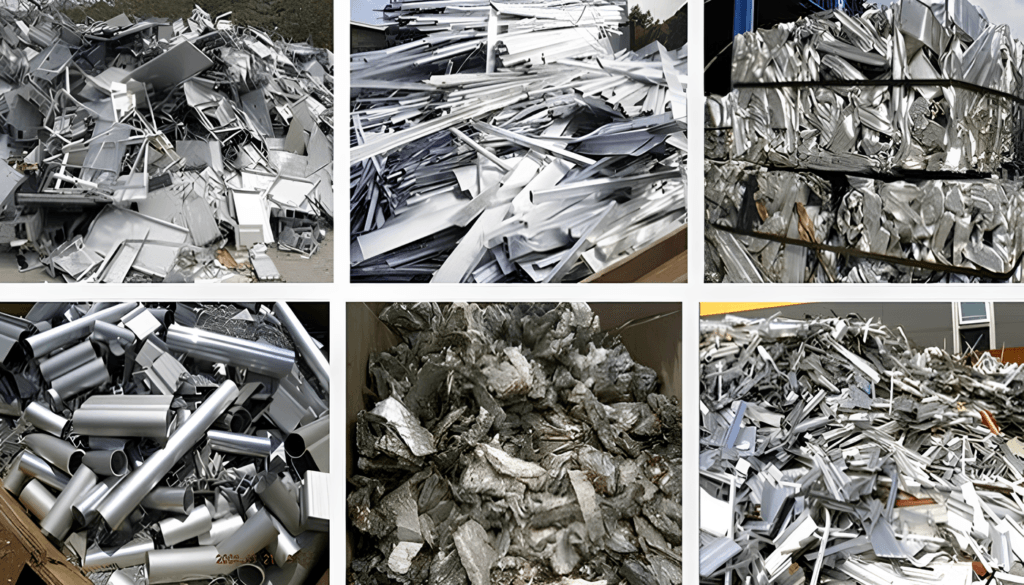
Aluminum scrap has become one of the most important raw materials in the global metal supply chain. As green manufacturing and the circular economy gain momentum, demand for recycled aluminum continues to rise. In this context, proper classification of aluminum scrap is not merely a technical step but a critical factor that directly influences commercial value, production efficiency, and a company’s competitiveness.
Why Aluminum Scrap Classification Matters
Aluminum scrap originates from a wide range of sources, including industrial production, construction, and post-consumer waste. Each source carries different alloy compositions and impurity levels. Without proper classification, businesses may face pricing risks, inconsistent product quality, and increased processing costs.
In practice, classification enables companies to price materials more accurately based on their true value. Cleaner scrap with stable alloy composition typically commands higher prices in the market. At the same time, well-sorted input materials allow smelters to optimize their processes, reduce energy consumption, and minimize impurities during melting.
Another important benefit lies in cost reduction. When scrap is properly sorted at the source, companies can significantly reduce the need for additional processing, thereby improving metal recovery rates and overall operational efficiency.
Common Types of Aluminum Scrap in International Trade
In global markets, businesses often refer to classification systems developed by the Institute of Scrap Recycling Industries (ISRI). These standards are widely used to define and trade various types of metal scrap, including aluminum.
One commonly traded category is Tense. This type of scrap is relatively clean and typically consists of aluminum sheets, extrusions, and industrial materials. It is characterized by high aluminum content, low impurity levels, and minimal surface coating. Thanks to its quality, Tense is often used directly in melting processes.
Taint and Tabor are widely recognized in the construction sector. They usually come from aluminum windows, frames, and painted extrusions. Although they may contain coatings or surface treatments, properly sorted material remains a valuable input for producing aluminum alloys, particularly those in the 6xxx series.
Twitch refers to aluminum recovered after shredding and separation processes, commonly from end-of-life vehicles and household appliances. This type of scrap typically contains aluminum along with small amounts of other metals and non-metallic impurities. As a result, additional sorting or refining steps are often required before reuse.
Zorba is more complex, consisting of mixed non-ferrous metals obtained from shredding operations. It may include aluminum, copper, zinc, and other metals. To maximize its value, advanced sorting technologies are required to separate aluminum from other materials before recycling.
Another highly valuable source is UBC (Used Beverage Cans). This type of scrap is particularly important due to its relatively uniform composition, ease of recycling, and high recovery rates. Many developed countries have implemented efficient collection systems for aluminum cans to support circular economy initiatives.
Key Factors Affecting Aluminum Scrap Quality
In international trade, the quality of aluminum scrap is assessed through multiple technical criteria. The aluminum content itself is the most critical factor, as it directly determines the material’s market value.
The presence of other metals such as iron, copper, or zinc can significantly affect recyclability. High levels of metallic impurities increase processing costs and complicate alloy control during production.
Non-metallic contaminants, including plastic, rubber, and organic materials, also reduce scrap value and may interfere with melting processes, potentially generating unwanted emissions.
Surface coatings such as paint or anodizing must also be considered, as they can increase pre-treatment costs. In addition, moisture content and attached materials may influence transportation costs and overall recycling efficiency.
Market Trends in the Era of Green Transformation
In recent years, the aluminum scrap market has undergone significant changes driven by environmental policies and carbon reduction goals. Recycled aluminum requires substantially less energy than primary production, making it increasingly attractive across industries.
Companies worldwide are investing in advanced sorting technologies, including sensor-based systems and artificial intelligence, to improve classification accuracy. At the same time, efforts to enhance collection systems, particularly from post-consumer sources, are being strengthened to ensure a stable supply of recyclable materials.
Environmental standards in the recycling industry are also becoming stricter. As a result, businesses must balance profitability with sustainability throughout their operations.
How Businesses Can Strengthen Their Competitive Edge
For Vietnamese companies participating in the aluminum scrap market, a clear understanding of international classification standards is essential. By mastering the characteristics of different scrap types, businesses can negotiate more effectively, reduce risks, and maintain better control over input quality.
Investing in sorting technologies and establishing robust quality control processes are also crucial steps. In an increasingly competitive global market, companies that manage their raw materials efficiently will gain significant advantages in both cost and product quality.
From Scrap to Strategy: Unlocking Sustainable Value in Aluminum Recycling
Aluminum scrap classification is not just a technical requirement but a strategic lever in international trade. As the market continues to shift toward sustainability, a clear understanding and effective application of classification standards can help businesses enhance product value, optimize costs, and strengthen their global competitiveness.
For Vietnam, this also presents an opportunity for recycling enterprises to upgrade capabilities, integrate deeper into the global value chain, and contribute meaningfully to the development of a circular economy.
Related Posts
A Practical Guide to Aluminum Scrap Classification in International Trade – 2
Aluminium and its Value Chain in the Metal Industry and Recycling