

 HOME
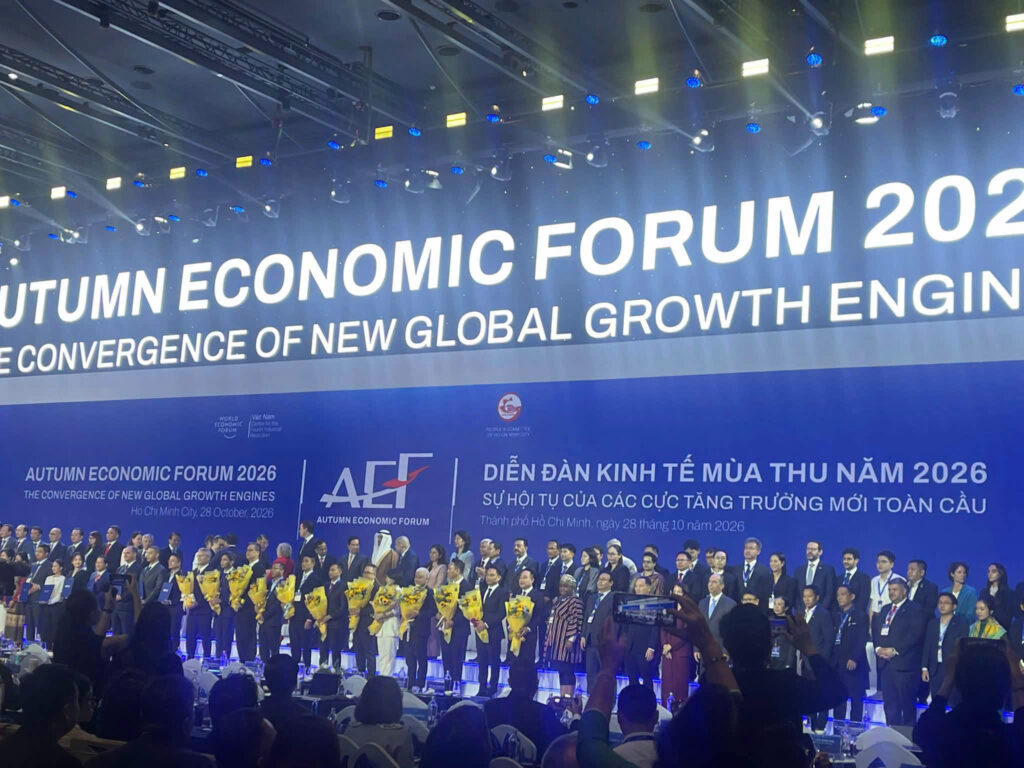
Practical cooperation, technological self-reliance, and stronger domestic business capabilities are among the key directions highlighted at the Autumn Economic Forum 2026. These messages offer valuable insights for Vietnam’s metal recycling industry as it seeks to enhance competitiveness and participate more deeply in global value chains.
On the morning of October 28, 2026, in Ho Chi Minh City, Prime Minister Le Minh Hung delivered remarks at the high-level plenary session of the Autumn Economic Forum 2026, themed “The Spirit of Cooperation in a New Era.” His speech emphasized the need to connect resources, knowledge, technology, and people, while translating cooperation into feasible projects with concrete, measurable outcomes. According to the Government News of Vietnam, these directions represent important priorities in promoting cooperation and identifying new drivers of development.
From the perspective of the Vietnam Metal Recycling Forum (VMRF), these orientations offer valuable guidance for an industry facing simultaneous demands to expand markets, upgrade technology, and improve the quality of recycled raw materials. As global supply chains shift toward more efficient resource utilization and stricter environmental standards, stronger links between domestic businesses and international partners could become an important driver of sustainable industry development.
International Cooperation Must Go Hand in Hand with Strengthening Vietnamese Businesses
One of the notable messages at the forum was the call for international partners to work with Vietnam in investing, conducting research, developing new solutions, and creating new value chains. Accordingly, attracting external resources should go hand in hand with strengthening domestic enterprises, enabling Vietnamese businesses to participate more deeply in higher value-added production activities.
For the metal recycling industry, this approach opens up opportunities for cooperation across multiple areas, including metal sorting, processing, recovery and refining technologies, quality management, workforce training, and market development. Access to appropriate technologies, combined with international management experience and operational standards, can help businesses improve production efficiency, enhance product quality, and better meet the requirements of industrial customers.
In the long term, the value of cooperation lies not only in securing investment or equipment but also in strengthening operational capabilities, improving quality control, and gradually mastering advanced technologies. These are essential foundations for domestic recycling businesses to increase product value, reinforce their positions in supply chains, and reduce their reliance on lower value-added activities.
Technology and Data as Foundations for Upgrading the Recycling Industry
At the forum, science and technology, innovation, and digital transformation were emphasized as important drivers of a new development model. For the metal recycling industry, these priorities can be translated into practical improvements in raw material management, production organization, and quality control.
Standardizing information on the composition and quality of incoming materials, monitoring recovery rates, digitizing warehouse management, and strengthening traceability can help businesses control their operations more effectively. Depending on their scale and actual operating conditions, companies can gradually adopt material recognition technologies, automate sorting processes, or implement production management software to reduce losses, lower costs, and improve productivity.
However, technology investment should be driven by practical needs and tied to clearly defined objectives. Effectiveness should not be measured solely by how advanced the equipment is, but also by improvements in productivity, product quality, occupational safety, and resource efficiency. Building reliable data systems can also help businesses evaluate investment performance, identify areas for improvement, and make better-informed decisions.
Connecting Recycling with the Green Transition of Manufacturing
The green transition and energy transition are important elements in the restructuring of global production systems and supply chains. In this context, the metal recycling industry has opportunities to strengthen its role as a supplier of secondary raw materials to manufacturing sectors while contributing to more efficient resource utilization.
From VMRF’s perspective, closer coordination among collection operators, recycling businesses, and manufacturers that use metals is an area deserving greater attention. When stakeholders communicate clearly about quality requirements, material composition, and output specifications, collection, sorting, and processing activities can be better aligned with manufacturing needs. This can create more opportunities for recycled materials to re-enter industrial production and support the development of a circular economy.
To demonstrate the effectiveness of this process, businesses need to gradually develop and standardize data on energy consumption, recovery rates, product quality, and environmental impacts. Verifiable information can support engagement with customers, technology partners, and financial institutions, while providing a basis for evaluating operational performance and meeting increasingly stringent market requirements.
Turning Connections into Concrete Cooperation Programs
The spirit of cooperation emphasized at the Autumn Economic Forum 2026 highlights the need to translate meetings and discussions into practical action. For the metal recycling community, this process can begin with identifying companies’ technological needs, strengthening workforce training, and promoting closer links among different stages of the supply chain.
In technology development, clearly identifying the problems that need to be addressed will help businesses find partners offering solutions suited to their operating conditions and investment capacity. Workforce development should focus on material identification, quality management, occupational safety, and equipment operation. At the same time, stronger links among collection businesses, recycling operators, logistics service providers, and manufacturing facilities can help stabilize raw material supplies and improve the industry’s ability to meet market demand.
Alongside technological cooperation and supply chain integration, sharing practical experience and strengthening policy dialogue are also important. Challenges encountered in production and business operations should be documented and consolidated based on actual experience to develop well-founded proposals and facilitate more effective discussions between businesses and relevant stakeholders.
To ensure feasibility, each cooperation program should clearly define participating organizations, objectives, implementation timelines, and performance evaluation criteria. This provides a foundation for turning the spirit of connectivity into activities that deliver lasting value, strengthen business capabilities, and support the development of the entire industry.
An Opportunity for Vietnam’s Recycling Community to Take a Proactive Role
The messages delivered at the Autumn Economic Forum 2026 highlight the need for Vietnamese businesses to strengthen their domestic capabilities while expanding international cooperation. For the metal recycling industry, this requires companies to proactively identify development needs, enhance technological capabilities, standardize processes, and strengthen connections with partners throughout the value chain.
For the VMRF community, practical progress can begin with addressing specific business needs, such as finding suitable technological solutions, improving raw material quality, or expanding partnerships with manufacturing companies. When needs are clearly identified and stakeholders work together to develop solutions, cooperation can form the basis for concrete projects tailored to actual operating conditions.
VMRF aims to facilitate dialogue and connections among metal recycling businesses, technology partners, experts, and manufacturers. Through these efforts, the Forum seeks to strengthen industry capabilities, improve supply chain integration, and support the development of circular metal value chains in Vietnam.
Source of information on the event and the Prime Minister’s remarks: Government News of Vietnam. The discussion relating these messages to the metal recycling industry represents the editorial perspective of the Vietnam Metal Recycling Forum (VMRF).
Related Posts
VMRF SUPPORTS IBAAS–VFMSTA 2026 AS AN ASSOCIATE PARTNER
Thailand Proposes Import Ban on Steel, Copper, Aluminium and Rubber Scrap: Recycling Industry Faces Potential Supply Chain Disruptions
Vietnam Metal Recycling Forum (VMRF) attends ALUMINIUM 2026 in Germany
VMRF – Market & Policy Bulletin: Non-Ferrous Metals, Steel Scrap and EU Supply Risks
LME Aluminum Prices Fall: Market Shifts from Supply Shortage Concerns to Expectations of Supply Recovery
WSR Update: Vietnam has not yet been recommended by the EC for approval regarding recycled metals.