

 HOME
HOME
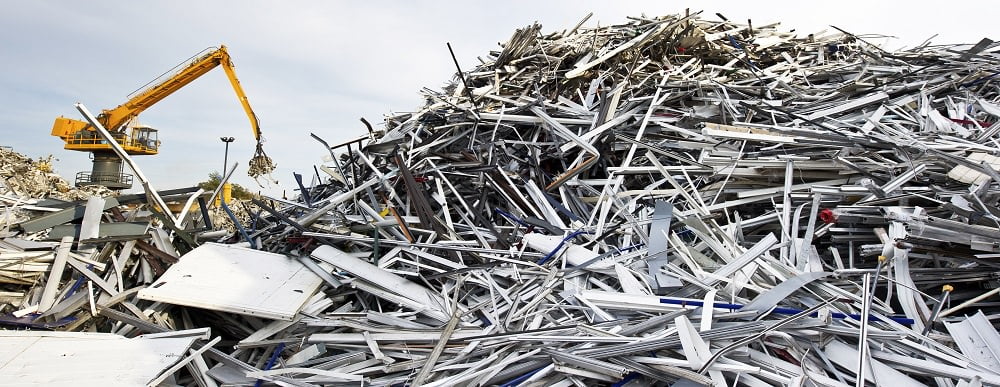
The use of scrap metal has become an integral part of the modern steelmaking industry, improving the industry’s economic viability and reducing environmental impact. Steel is the world’s most important engineering and construction material and can be recycled over and over again without loss of property. Compared to ore extraction, the use of secondary ferrous metal significantly reduces CO2 emissions, energy and water consumption and air pollution. At the same time, the recycling of steel makes more efficient use of the earth’s natural resources.
Recycling Facts
Almost 40% of the world’s steel production is made from scrap.
Recycling one tonne of steel saves 1,100 kilogrammes of iron ore, 630 kilogrammes of coal, and 55 kilogrammes of limestone.
CO2 emissions are reduced by 58% through the use of ferrous scrap.
Recycling one tonne of steel saves 642 kWh of energy, 1.8 barrels (287 litres) of oil, 10.9 million Btu’s of energy and 2.3 cubic metres of landfill space.
Recycling steel uses 75% less energy compared to creating steel from raw materials – enough to power 18 million homes.
Steel recycling uses 74% less energy, 90% less virgin materials and 40% less water; it also produces 76% fewer water pollutants, 86% fewer air pollutants and 97% less mining waste.
Steel automobile frames contain at least 25% recycled steel and a typical electrical appliance will usually be made of 75% recycled steel. Steel cans consist of at least 25% recycled steel.

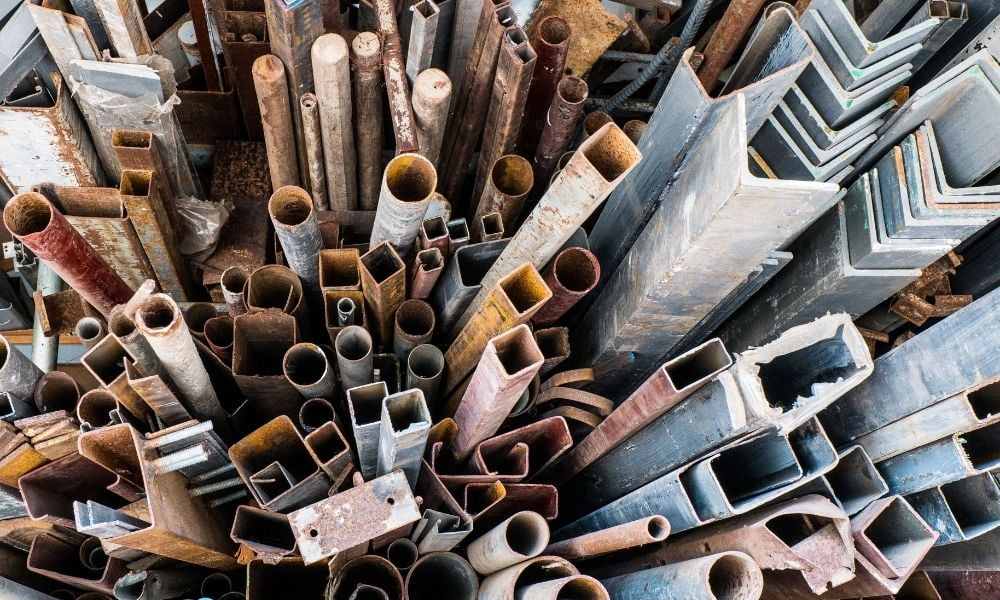
Iron and Steel Scrap
Steel has one outstanding characteristic: it can be endlessly recycled without its material qualities being compromised. The iron atoms are indestructible, and by melting scrap metal it is simple to get the atoms to arrange themselves in a new, regular way to form new steel with new properties.
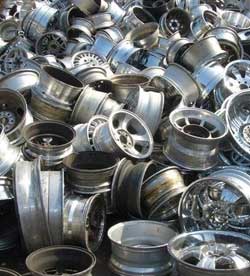
Alloyed Scrap
Copper alloys such as phosphor bronzes, gunmetals, leaded bronzes and aluminium bronzes are normally made to closely controlled specifications in order to ensure fitness for demanding service. They are normally made from ingots of guaranteed composition together with process scrap of the same composition that has been kept carefully segregated.
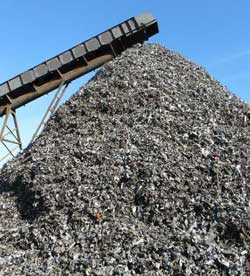
Shredded Scrap
Shredded scrap is a large part of the recycling industry and can be utilized in multiple circumstances. The classification of shredded scrap is outlined to give a better understanding of what goes into this category.
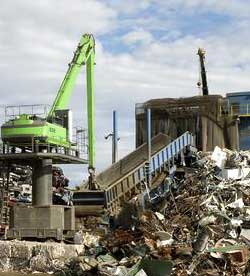
Shredder facility
Scrap metal shredder consists of motors, gearboxes, feed hopper, shredder blades, shafts, lower racks, control box, etc. The number of the blades or their width respectively determines the size of the output material.
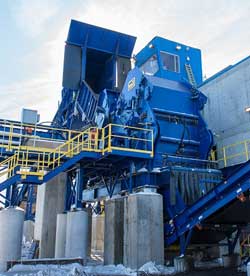
Heavy Media plant
According to a study from Wise Guy Reports, the global market for aluminum scrap will vastly expand over the next five years, with an expected annual growth rate of more than 7%. Zorba, which is a non-ferrous metal mix containing predominantly aluminum, is one of the major sources out of which it can be extracted.