

 HOME
HOME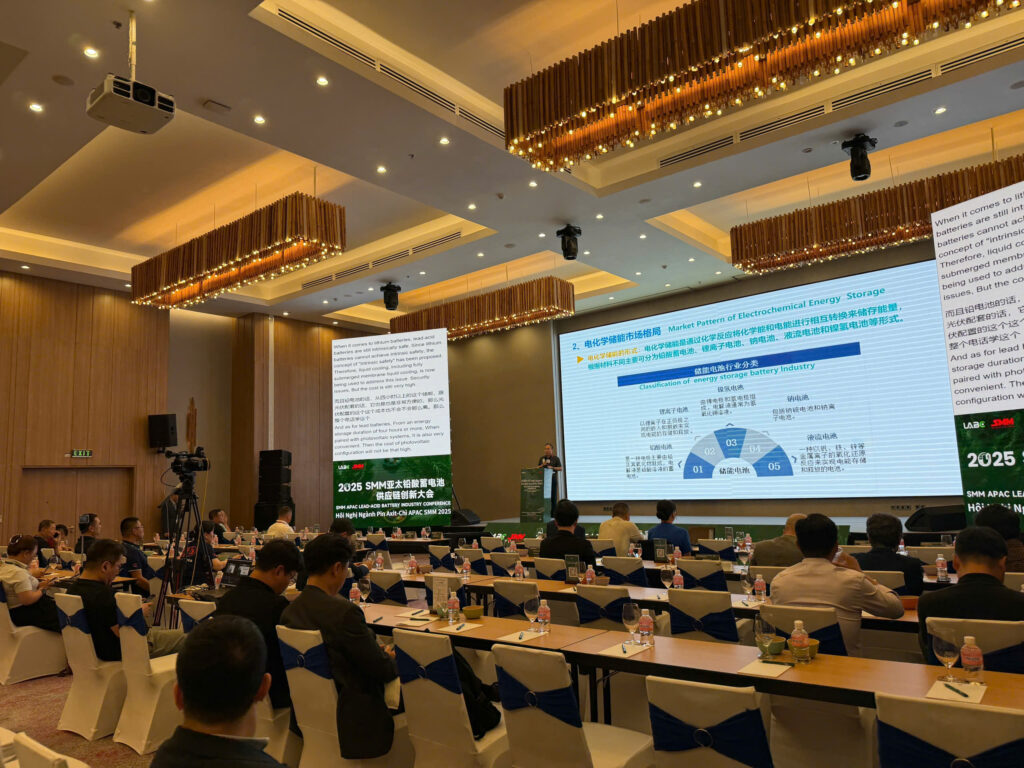
Within the framework of the APAC SMM 2025 Lead-Acid Battery Industry Conference. On December 4, 2025 at the Holiday Inn in Ho Chi Minh City, SMM hosted the seminar, “Vietnam Lead Supply & Price Seminar,” and for the first time officially announced the Premium for lead ingots in Vietnam. The announced levels are 85–125 USD/ton CIF Vietnam and 90–120 USD/ton CIF Malaysia.
SMM also analyzed market trends: China currently accounts for over 50% of global lead smelting capacity, facing challenges like raw material shortages and soaring smelting costs. This situation is driving Chinese battery manufacturers to shift their production to Southeast Asia, resulting in a sharp increase in the demand for both primary and recycled lead in Vietnam.
The seminar attracted participation from many enterprises from China, India, and other regional countries, along with major Vietnamese entities such as Bac Can Mineral, Hoang Nam Mineral, Pinaco, Thang Long, GS Batteries Vietnam, and representatives from VMRF.
The official announcement of a Premium specifically for Vietnam provides domestic enterprises with a transparent benchmark, supporting negotiation processes and enhancing Vietnam’s position in the regional lead supply chain.
Some images from the APAC SMM 2025 Conference on December 4, 2025
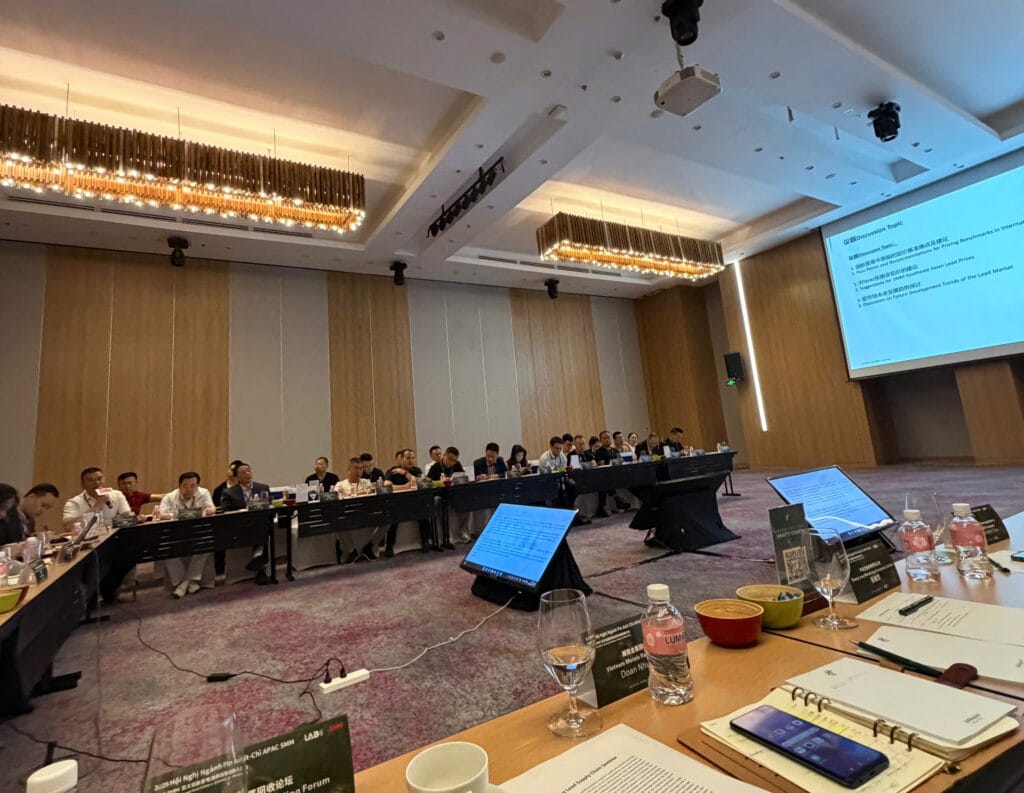
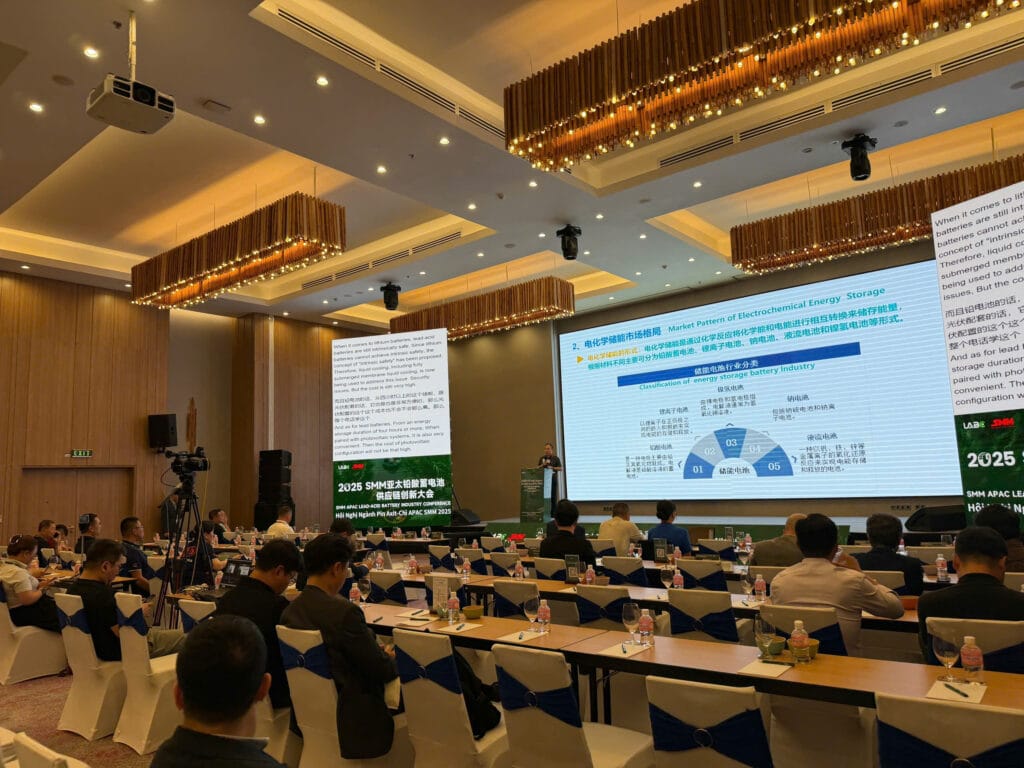
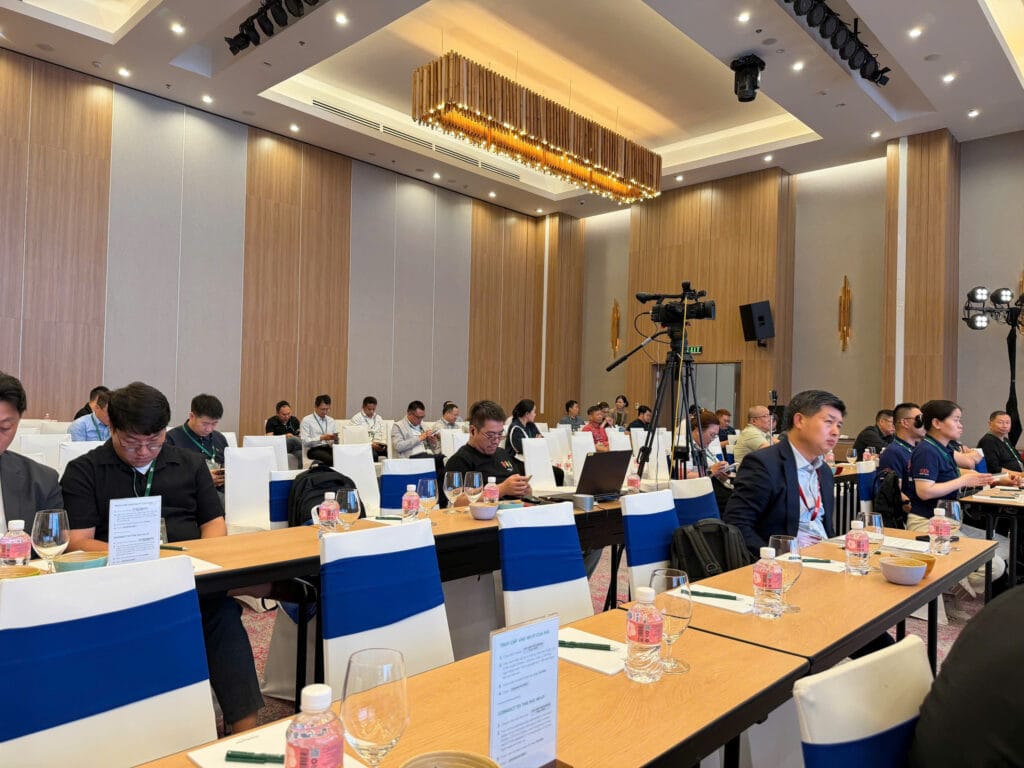
VMRF will continue to accompany and share market information with the business community.
Related Posts
LME Aluminum Prices Fall: Market Shifts from Supply Shortage Concerns to Expectations of Supply Recovery
WSR Update: Vietnam has not yet been recommended by the EC for approval regarding recycled metals.
VMRF – Circulate Capital: ESG from Compliance Requirements to Management Capability
VMRF and Kitakyushu City Explore Cooperation Opportunities in Recycling and Environmental Technology
Low River Levels in Borneo Expose New Weaknesses in Asia’s Energy Supply Chain
Green and Circular Projects May Receive 2% Interest Rate Support