

 HOME
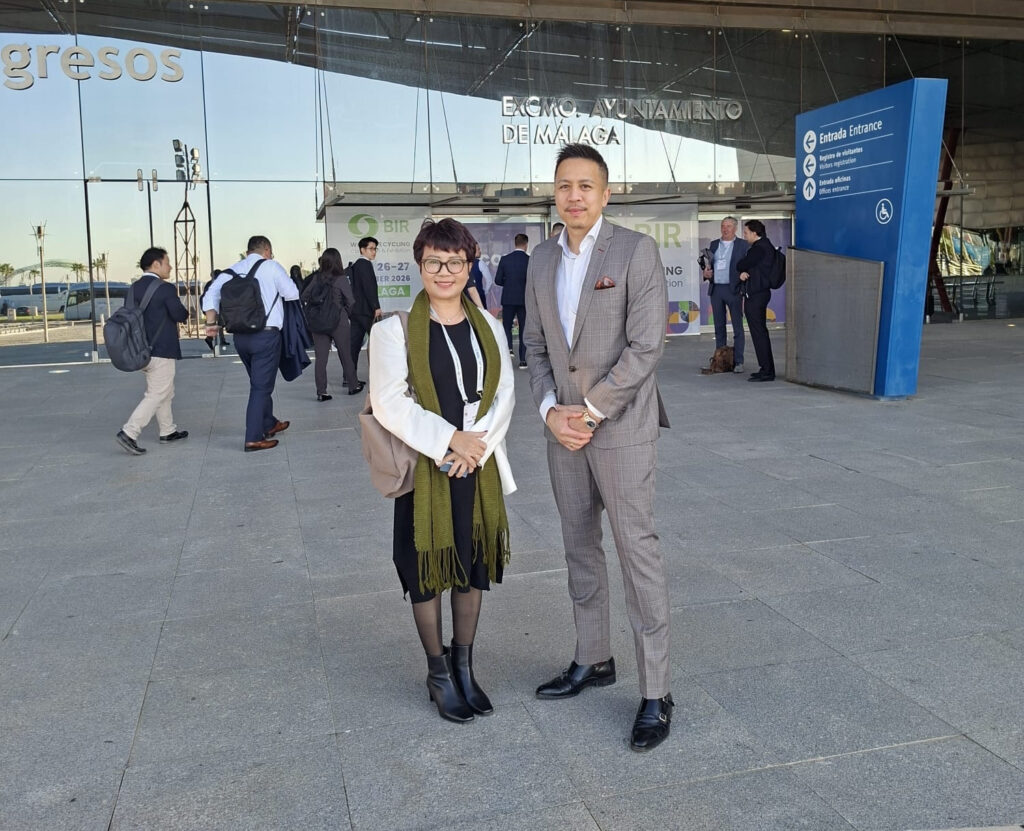
From October 24 to 27, 2026, more than 1,700 participants from approximately 70 countries gathered in Málaga, Spain, for the BIR World Recycling Convention. At the event, the Vietnam Metal Recycling Forum (VMRF) reaffirmed its support for free and fair trade and international cooperation, while expressing strong opposition to blanket export restrictions on non-hazardous recyclable materials.
The 2026 BIR World Recycling Convention in Málaga brought together a large number of representatives from businesses, industry associations, and organizations operating across the global recycling sector. The Vietnam Metal Recycling Forum (VMRF) was represented at the event by two members of its Board, Ms. Anh Tran and Mr. Trung Nguyen.
Alongside international networking and exchanges with industry associations such as CMA, IGMNiR, MRAI, and BIR, proposed restrictions on scrap exports from the European Union (EU) once again emerged as one of the key topics of discussion. This issue had also been extensively addressed at the previous BIR Convention in Gothenburg.
During the Non-Ferrous Metals Panel Talk, moderated by Ms. Natallia Zholud, participants focused on examining the potential consequences of export restrictions for Europe’s metal recycling industry, supply chains, and the broader international market.
One of the key messages emerging from the discussion was that export restrictions would do little to resolve the structural challenges undermining the competitiveness of European producers. The main factors behind their competitive disadvantages were identified as high energy costs and increasing administrative burdens, which continue to place pressure on manufacturing and metal processing operations across the region.
Meanwhile, imposing export restrictions could significantly undermine the economic foundations of companies involved in the collection, sorting, and processing of both ferrous and non-ferrous metal scrap. As access to export markets becomes more limited, scrap prices could face additional downward pressure, while changes in international material flows could create further challenges throughout the recycling industry.
Another major concern is that Europe currently lacks sufficient processing capacity to handle all grades of metal scrap. Under these circumstances, restricting exports could place a substantial part of Europe’s recycling industry under greater pressure, without addressing the fundamental competitiveness challenges faced by European smelters.
Mr. Murat Bayram, President of CMA, delivered a particularly important message, emphasizing that recyclers, smelters, collectors, and traders are all part of the same interconnected value chain. Rather than introducing additional trade barriers, Europe needs greater industry unity, increased investment, and fair competitive conditions.
VMRF’s Position: No Blanket Export Restrictions
At the convention, VMRF reaffirmed its position against blanket export restrictions on non-hazardous recyclable materials. In the Forum’s view, free and fair trade is essential to maintaining the effective functioning of global recycling supply chains and ensuring that recyclable materials can reach markets and facilities with the appropriate processing capabilities.
VMRF also highlighted the significance of the European Union–Vietnam Free Trade Agreement (EVFTA), which entered into force on August 1, 2020, in promoting open, cooperative, and mutually beneficial trade relations between the two sides. The principles of cooperation and free trade established under the agreement provide an important foundation for sustainable economic relations, including cooperation in recycling and the international movement of secondary raw materials.
In addition, VMRF expressed concern over the potential emergence of a two-tier trading system between OECD and non-OECD countries. If restrictive policies create unequal market access between these two groups, international trade in recyclable materials could be undermined over the long term, reducing opportunities for cooperation and weakening the efficiency of global supply chains.
VMRF’s message is clear: Free and fair trade, sustainable recycling, and international cooperation must go hand in hand. An effective circular economy cannot rely solely on processing capacity within individual countries or regions. It also requires open markets, the efficient allocation of recyclable materials, and strong international partnerships.
Introducing additional trade barriers is not a fundamental solution to the competitiveness challenges facing the metal processing and smelting industries. Instead, greater investment in technology, improved processing capacity, a more favorable business environment, and stronger cross-border cooperation should be the priorities.
Through its participation in BIR Málaga 2026, VMRF continues to strengthen connections between Vietnam’s metal recycling community and international organizations and businesses. The Forum also seeks to promote a unified industry voice in support of a transparent, fair, and sustainable global market for recyclable materials.
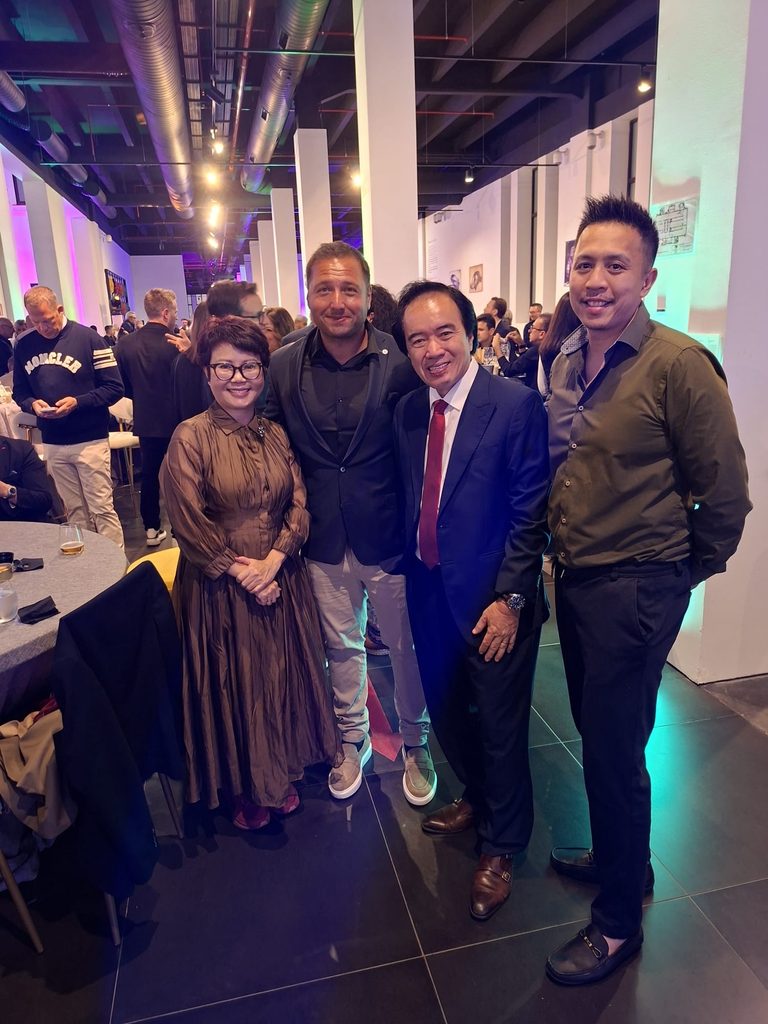
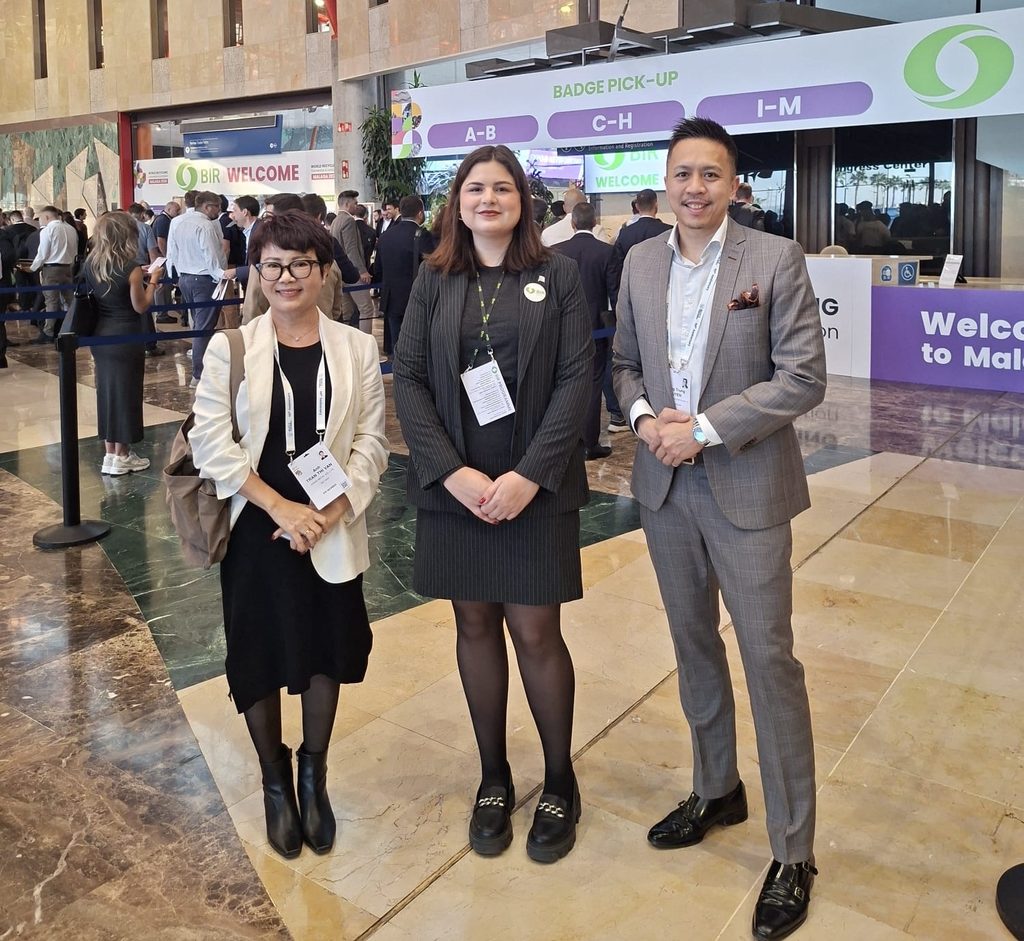
SOME IMAGES FROM THE EVENT
Related Posts
Vietnam’s Message at the Autumn Economic Forum 2026: New Directions for the Metal Recycling Industry
VMRF SUPPORTS IBAAS–VFMSTA 2026 AS AN ASSOCIATE PARTNER
Thailand Proposes Import Ban on Steel, Copper, Aluminium and Rubber Scrap: Recycling Industry Faces Potential Supply Chain Disruptions
Vietnam Metal Recycling Forum (VMRF) attends ALUMINIUM 2026 in Germany
VMRF – Market & Policy Bulletin: Non-Ferrous Metals, Steel Scrap and EU Supply Risks
LME Aluminum Prices Fall: Market Shifts from Supply Shortage Concerns to Expectations of Supply Recovery