

 HOME
HOME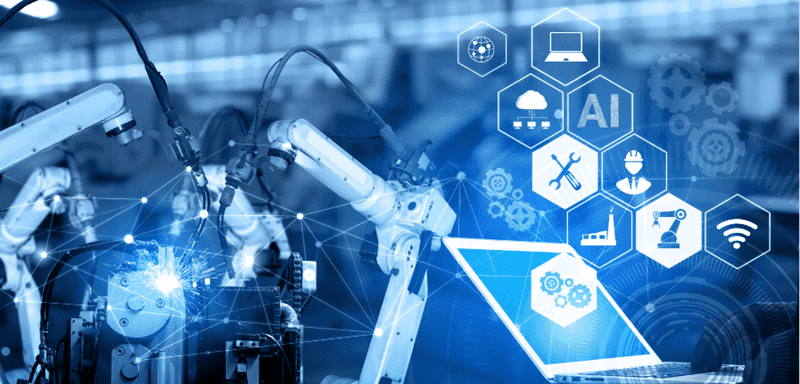
For many years, the competitiveness of metals companies has been determined primarily by raw material costs, production capacity, metallurgical technology and cost control. However, the competitive landscape is entering a new phase as energy, carbon emissions and data increasingly become factors that directly influence the value of products. For producers of steel, aluminum, copper, zinc and alloys, as well as metal recycling companies in particular, the concept of a smart factory is therefore no longer simply associated with robots or automation. It is becoming a new way to control costs, improve production efficiency and demonstrate the carbon footprint of each ton of metal produced.
Energy Is Becoming a Component of Competitiveness
Metals production and recycling are both energy-intensive industries. Even relatively small changes in electricity prices, fuel costs or equipment efficiency can have a significant impact on production costs. At an aluminum recycling plant, for example, costs extend beyond the price of scrap feedstock to include sorting, shredding, impurity removal, melting, refining and casting. Each stage has different energy consumption levels and material losses. If a company only monitors total electricity consumption at the end of each month, it is difficult to determine precisely which stage is driving costs higher.
Smart factories are changing this approach by connecting sensors, production equipment and management systems to monitor energy consumption in real time. Companies can determine how much electricity a melting furnace consumes, how much energy is required to produce each ton of output and which machines are operating below their designed efficiency. Energy saving therefore becomes an ongoing management activity rather than an exercise conducted only during periodic energy audits. Recent research on smart manufacturing has also shown that combining energy management systems with Industry 4.0 technologies can help companies reduce energy consumption and emissions, particularly through real-time monitoring and analysis.
For Vietnam’s metals industry, this has direct implications. When energy represents a significant share of production costs, a company that can control energy consumption per ton of output has a potential cost advantage over one that focuses primarily on expanding capacity. Over the longer term, energy efficiency could become one of the key indicators of a metals plant’s competitiveness.
Carbon Data Is Becoming Part of Product Value
Another important change is the growing incorporation of carbon standards into international trade. The European Union’s Carbon Border Adjustment Mechanism, or CBAM, entered its definitive regime on January 1, 2026, covering a number of goods including iron, steel and aluminum. As the mechanism is implemented, exporters must increasingly pay attention not only to the volume of goods shipped but also to their embedded emissions and the quality of the underlying emissions data.
This is fundamentally changing the role of data inside factories. In the past, electricity, fuel and production figures were used mainly to calculate costs and manage operations. In the emerging supply chain environment, the same information is becoming the basis for calculating the carbon footprint of individual products. An aluminum plant may have highly efficient production technology, but without a comprehensive system for recording and tracing its energy and emissions data, it will be difficult to demonstrate its low-carbon advantage to international customers.
McKinsey has noted that verified emissions data can help companies not only comply with CBAM requirements but also improve cost control and forecasting as carbon increasingly becomes a factor affecting international trade. For the metals industry, this is particularly significant because emissions are gradually becoming a new variable in the cost equation. Two products with comparable quality may have very different levels of attractiveness to customers and markets depending on their carbon intensity.
Recyclers Have an Advantage, but They Must Be Able to Prove It
This is where metal recycling companies can potentially gain a significant advantage. Secondary metals generally reduce the need for primary raw materials and can substantially lower energy requirements in certain production processes. However, this environmental advantage increasingly needs to be demonstrated through reliable data rather than broad claims that a product is “green” or “recycled.”
A recycling company may source scrap from hundreds of different suppliers. Metal composition, impurity levels, moisture and feedstock quality can all affect processing efficiency. If information is recorded manually and remains fragmented between departments, it becomes difficult to determine the actual quantity of material used, recovery rates, energy consumption and emissions associated with each production batch.
Once the process is digitized, a recycler can create a data profile for each stream of scrap from the moment it enters the plant until it becomes a new raw material or finished product. Information on origin, composition, quality, material losses, energy consumption and emissions can be stored and retrieved when customers request it. Recycling can then create not only a product containing a high proportion of recycled material but also a product with a transparent carbon profile.
A 2026 study on metal scrap value chains and industrial decarbonization also highlights the growing importance of evaluating and managing scrap supply chains efficiently as industry moves toward lower-carbon production. This suggests that the future of recycling will depend not only on physical processing capabilities but also on the ability to control the information surrounding the material.
From Buying Scrap by Price to Buying by Recovery Value
Digitalization could also change how recycling companies manage their feedstock. Vietnam’s scrap collection and sorting market remains relatively fragmented, with purchasing decisions often influenced heavily by material type, weight and prevailing market prices. However, when recyclers have sufficient data on composition and processing performance, the actual value of different scrap streams can be assessed more accurately.
A scrap batch with a low purchase price is not necessarily a good feedstock if it contains high levels of impurities and requires significant energy to process. Conversely, a more expensive scrap stream with a high metal recovery rate, low contamination and lower energy consumption may generate a higher margin. This creates the basis for the recycling industry to gradually move from a mindset of buying raw materials based on price to evaluating feedstock based on its actual recovery value.
When feedstock data is combined with production data, companies can potentially build predictive models to estimate the processing performance of different types of scrap before they enter production. This is also one of the more practical applications of AI for the recycling industry, because it focuses on improving material and operational decisions rather than simply automating administrative tasks.
Recycling Technology Is Also Moving Toward Lower Energy Consumption
Smart factories are not only helping companies optimize existing production lines; they are also creating conditions for new recycling technologies. One emerging direction is to reduce or eliminate unnecessary heating stages in metal recycling processes.
Research published in 2026 on SolidStir Extrusion, for example, found that a solid-state aluminum recycling approach could significantly reduce energy consumption compared with certain conventional recycling extrusion processes under the conditions studied. The significance of such technologies lies in reducing the number of heating stages and minimizing energy losses during material processing.
This reflects a broader direction in the global recycling industry: rather than simply increasing capacity, companies are seeking ways to retain more material value within each recycling cycle while using less energy to convert scrap into new products. When these technologies are combined with sensors and data analytics, plants can adjust processing methods more effectively according to the characteristics of incoming feedstock.
Recycled Aluminum Could Become an Advantage in Automotive and Industrial Supply Chains
Demand for recycled aluminum is increasingly linked to decarbonization strategies in industries that use large quantities of aluminum, particularly automotive, battery and electrical equipment manufacturing. Some manufacturers have already begun developing alloys with higher recycled content in order to reduce emissions associated with their raw material inputs.
At TMS 2026, Tom Leary, Director of Technology and Market Development at The Aluminum Association, highlighted the importance of energy policy, recycling innovation and investment in strengthening the competitiveness of the aluminum industry. These developments indicate that recycled aluminum is gradually moving from being viewed as a supplementary source of material to becoming an important component of decarbonization strategies among manufacturers.
For Vietnam, this represents a significant opportunity. If domestic recyclers can supply secondary aluminum with consistent quality, verifiable recycled content and reliable emissions data, they may be able to move deeper into the supply chains of international manufacturers instead of competing primarily in commodity-oriented segments.
A Factory with More Robots Is Not Necessarily a Smart Factory
One of the most common misunderstandings about digital transformation is the assumption that installing more robots and automated equipment automatically makes a factory smart. In reality, a plant can have sophisticated machinery and still operate inefficiently if its data remains fragmented across different departments.
For a metals plant, systems managing raw materials, production lines, laboratories, finished goods and energy consumption need to be capable of communicating with one another. Only then can managers gain a complete view of the process from incoming materials to finished products and their associated emissions.
The benefits of this approach are already becoming evident. Data analytics can help companies reduce maintenance costs, improve productivity, increase equipment availability and strengthen real-time inventory visibility. For metals producers and recyclers, these improvements can directly affect product costs because the industry requires significant fixed-asset investment and unplanned downtime can be extremely expensive.
Vietnamese Companies Need to Invest Step by Step
Not every recycling or metals company has the financial resources to implement a fully integrated smart factory. For small and medium-sized enterprises, a more practical approach is to begin with areas that can generate measurable returns, such as equipment-level electricity monitoring, production data digitalization, feedstock control, maintenance management and furnace performance tracking.
Once a basic data infrastructure has been established, companies can gradually expand into emissions management, predictive analytics and advanced automation. The critical requirement is to build a scalable data architecture from the beginning. If individual production lines operate on separate software platforms without common data standards, integration costs can become substantial later.
For recycling companies, one of the most important objectives should be the development of a carbon profile for each product stream. As international markets increasingly place value on low-carbon materials, the ability to provide transparent and credible data could become an important factor in helping Vietnamese companies reach customers with higher environmental and traceability requirements.
A New Competitive Race for the Metals Industry
The restructuring of global supply chains is changing the criteria used to select suppliers. Price, quality and delivery reliability remain fundamental, but they are increasingly insufficient if a company cannot demonstrate the origin of its raw materials, its energy consumption and the emissions associated with its products.
For Vietnam’s metals industry, this is both a challenge and an opportunity. Recycling companies can use the inherent advantages of secondary metals to develop products with lower carbon intensity. Steel, aluminum, copper and alloy producers can use data to reduce energy consumption and improve equipment efficiency. Scrap collection and sorting companies can also move deeper into the supply chain if they are able to provide reliable information on material quality and origin.
Over the longer term, smart factories will not be judged by the number of robots installed or by the automation level of a single production line. Their real value lies in their ability to connect raw materials, energy, production, quality and emissions into a unified operating system. Once data can be converted into operational decisions, companies can simultaneously reduce costs, improve productivity and meet the increasingly demanding requirements of international customers.
For Vietnam’s metal recycling and manufacturing companies, the direction is becoming increasingly clear: recycled metals can create a carbon advantage, but only reliable data can turn that advantage into commercial value. In supply chains that place growing emphasis on low-carbon production and traceability, companies capable of controlling both energy and data will have a stronger opportunity to move into higher-value segments.
Source: Nhipcaudautu and compiled from the internet.
Related Posts
EU Tightens Aluminium Scrap Exports: Global Recycled Aluminium Market Faces a Major Reshaping
Vietnam’s Tungsten Enters a New Cycle: Nui Phao and Vietnam’s Ambition to Elevate Its Strategic Metal Position
Copper Hits Record Highs Amid a “Supply Crunch”: AI Is Only Part of the Story
From E-Waste to an “Urban Mine”: Vietnam Faces an Opportunity to Turn Waste into Resources
VIETNAM’S CARBON MARKET: FROM POLICY TO OPPORTUNITIES FOR RECYCLING BUSINESSES
VMRF & CIRCULATE CAPITAL: PARTNERING TO BUILD CAPACITY – UNLOCK OPPORTUNITIES – CONNECT THE FUTURE