

 HOME
HOME
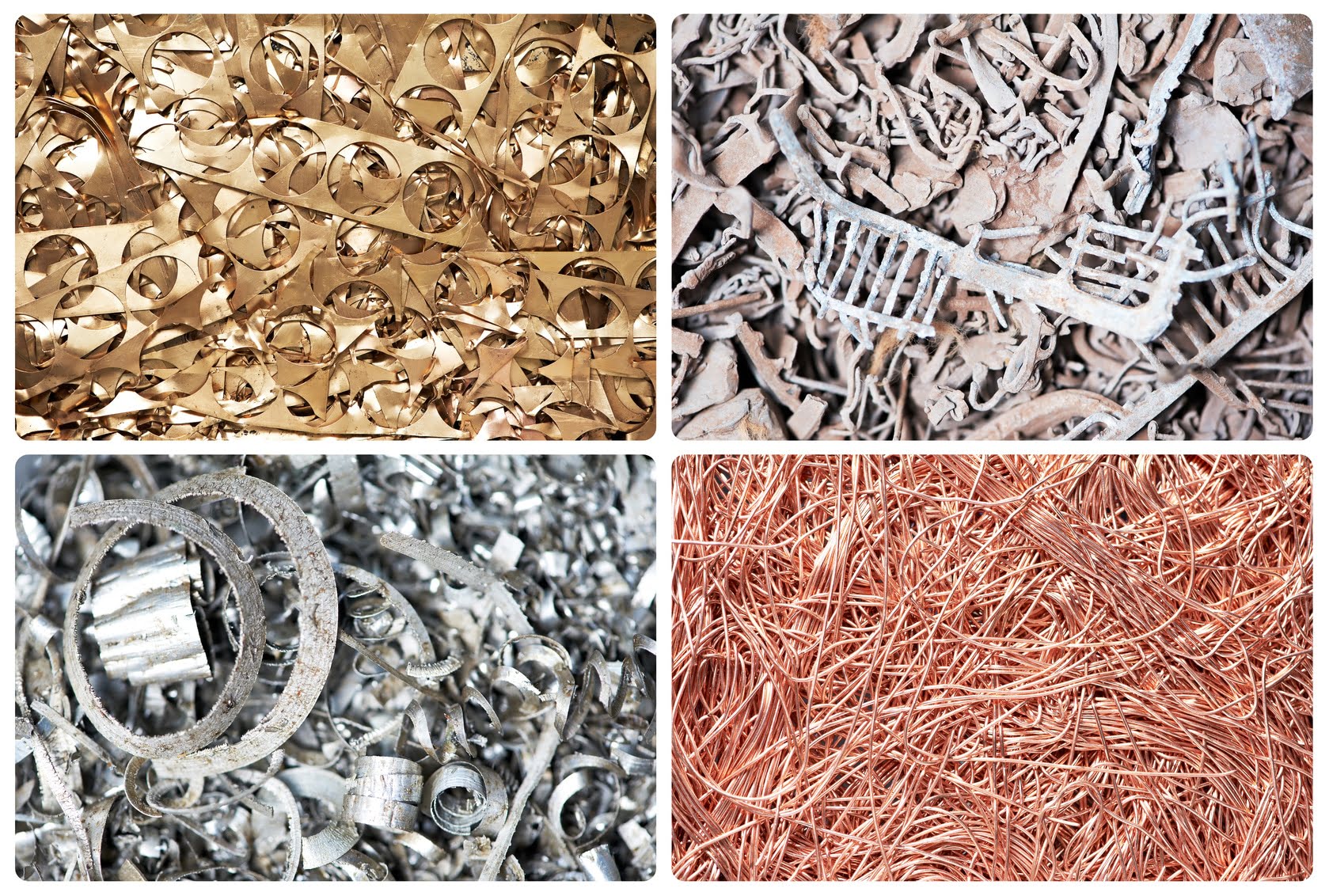
The most commonly used non-ferrous metals are Aluminium, Copper, Lead, Zinc, and precious metals. Millions of tonnes of Non-ferrous scrap are recovered annually and used by smelters, refiners, ingot makers, foundries, and other manufacturers. Secondary materials are essential to the industry’s survival because even new metals often require the combined use of recycled materials.
Recycling Facts
Copper
30% of Copper production comes from copper scrap. By using Copper scrap, we reduce CO2 emission by 65%.
Aluminum
One-third of Aluminium demand is supplied by secondary production. CO2 emissions are reduced by 92% when Aluminium scrap is used instead of bauxite.
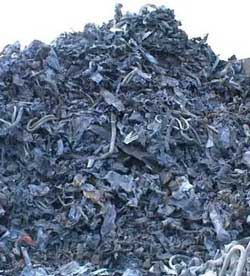
Lead
50% of the world’s Lead production originates from secondary lead. Using secondary Lead instead of ore reduces CO2 emissions by 99%.
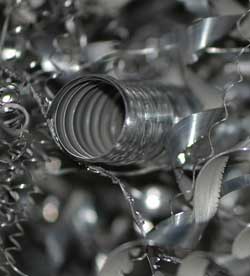
Nickel
About 1.44 Mt of Nickel is produced worldwide every year. Of this total production, 0.35 Mt is recycled nickel, made from 4.5 Mt of scrap. The carbon footprint of Nickel using primary production is 90% higher than that of secondary smelting.
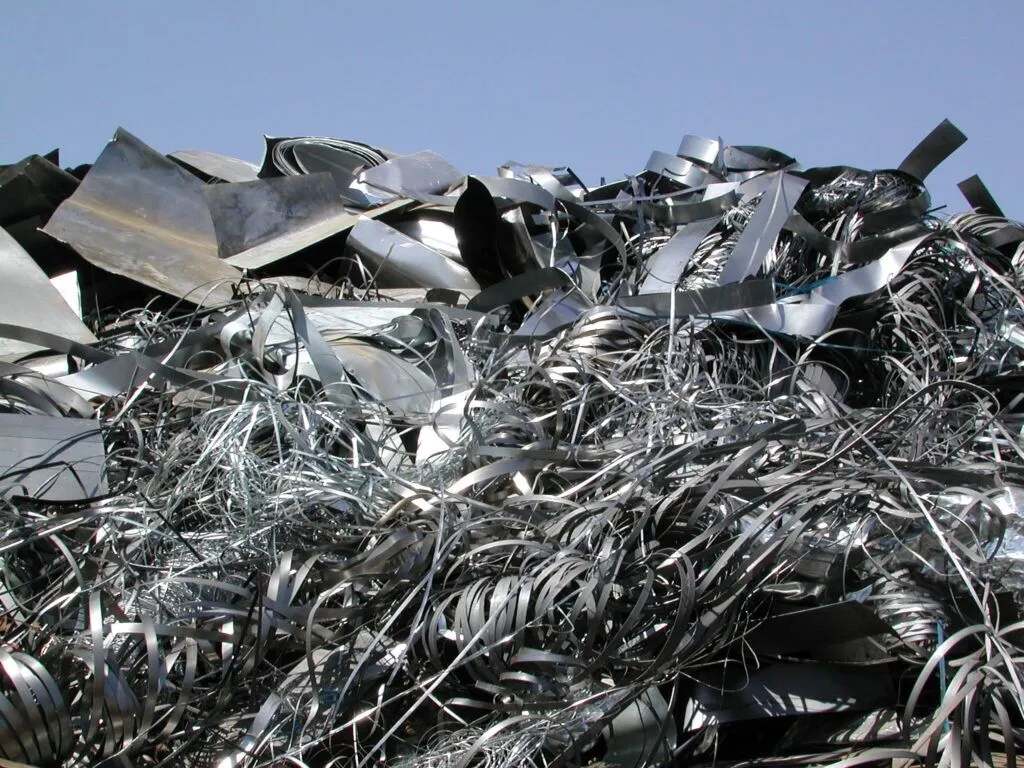
Zinc
Of a total worldwide Zinc production of 11.a Mt, 10.6 Mt was smelter Zinc in which 4.97 was categorized as either primary or secondary. The remaining 5.63 Mt (53%) was not differentiated. Production from secondary sources is estimated at 7.5% of the differentiated 4.97 Mt. Secondary production uses 76% less energy than primary